
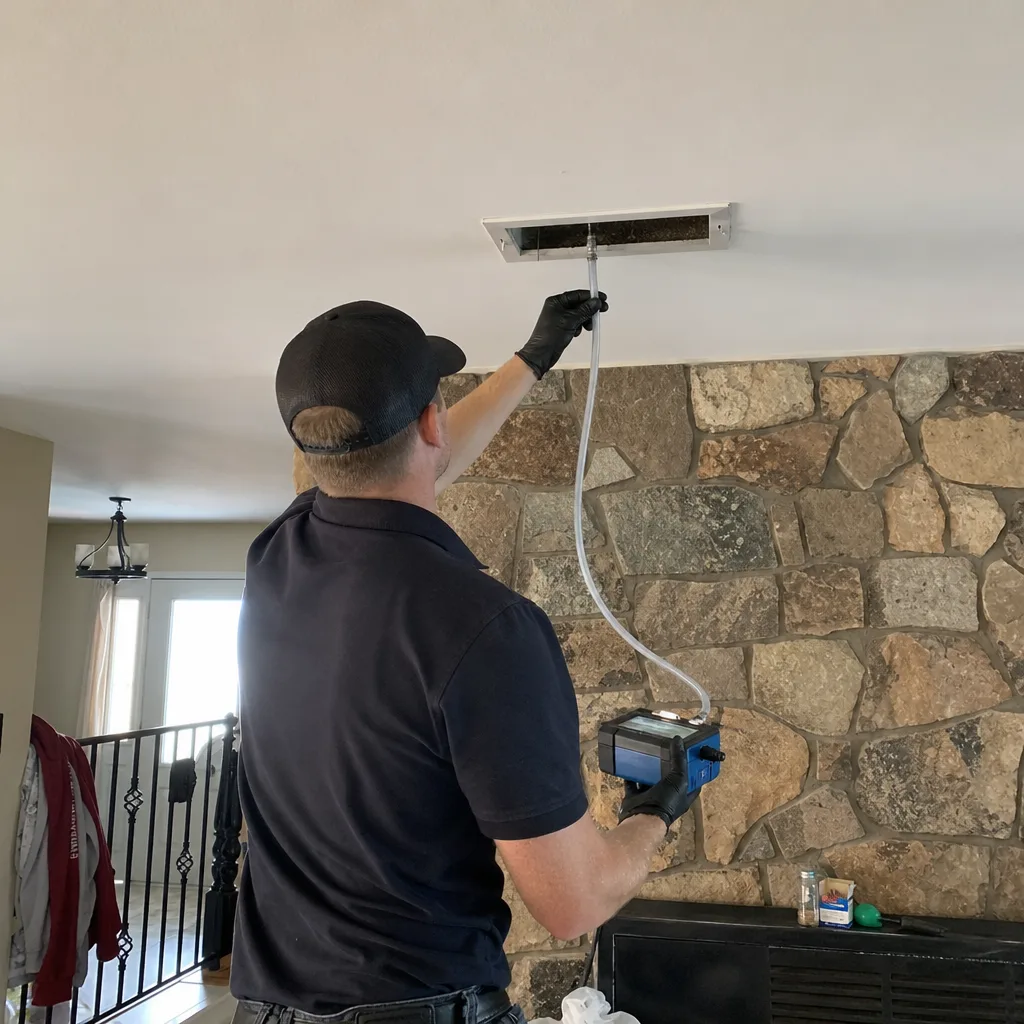
Last updated November 25, 2026
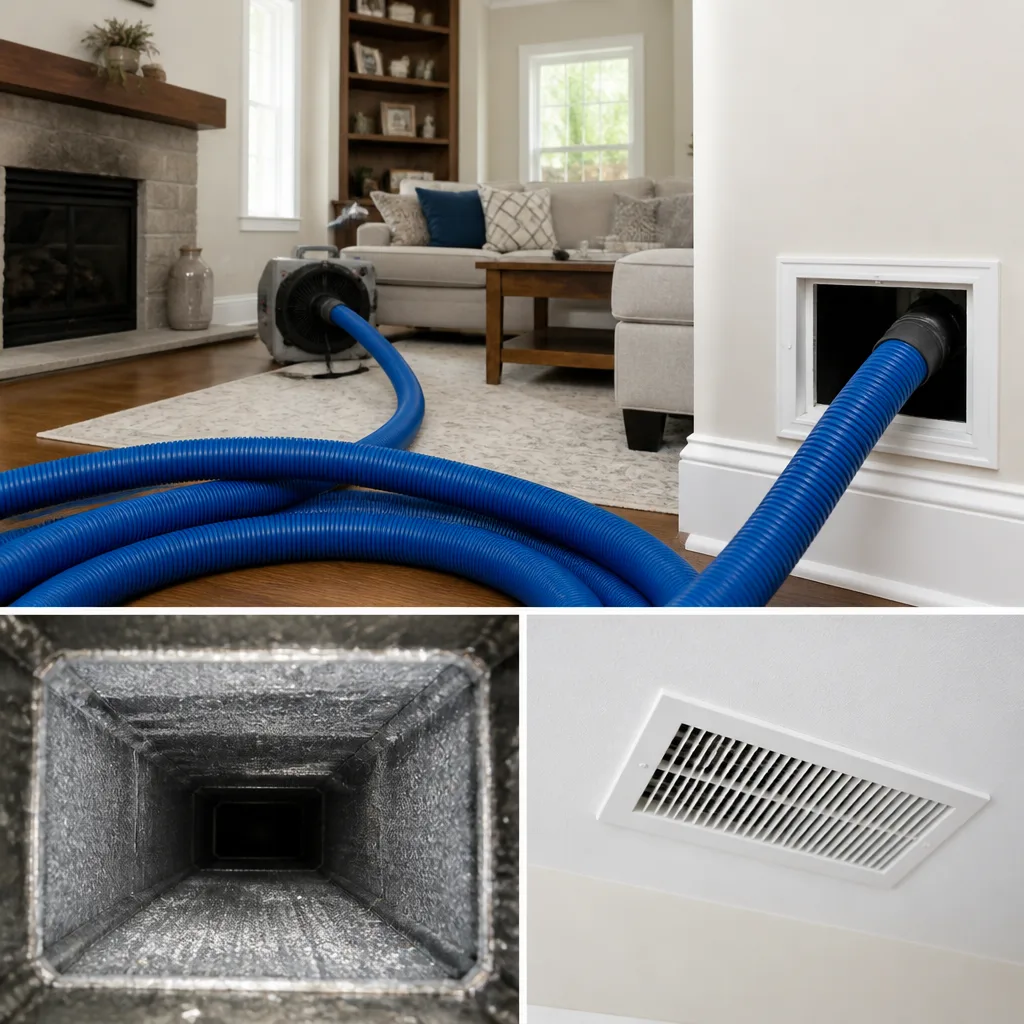 Whole-home duct cleaning
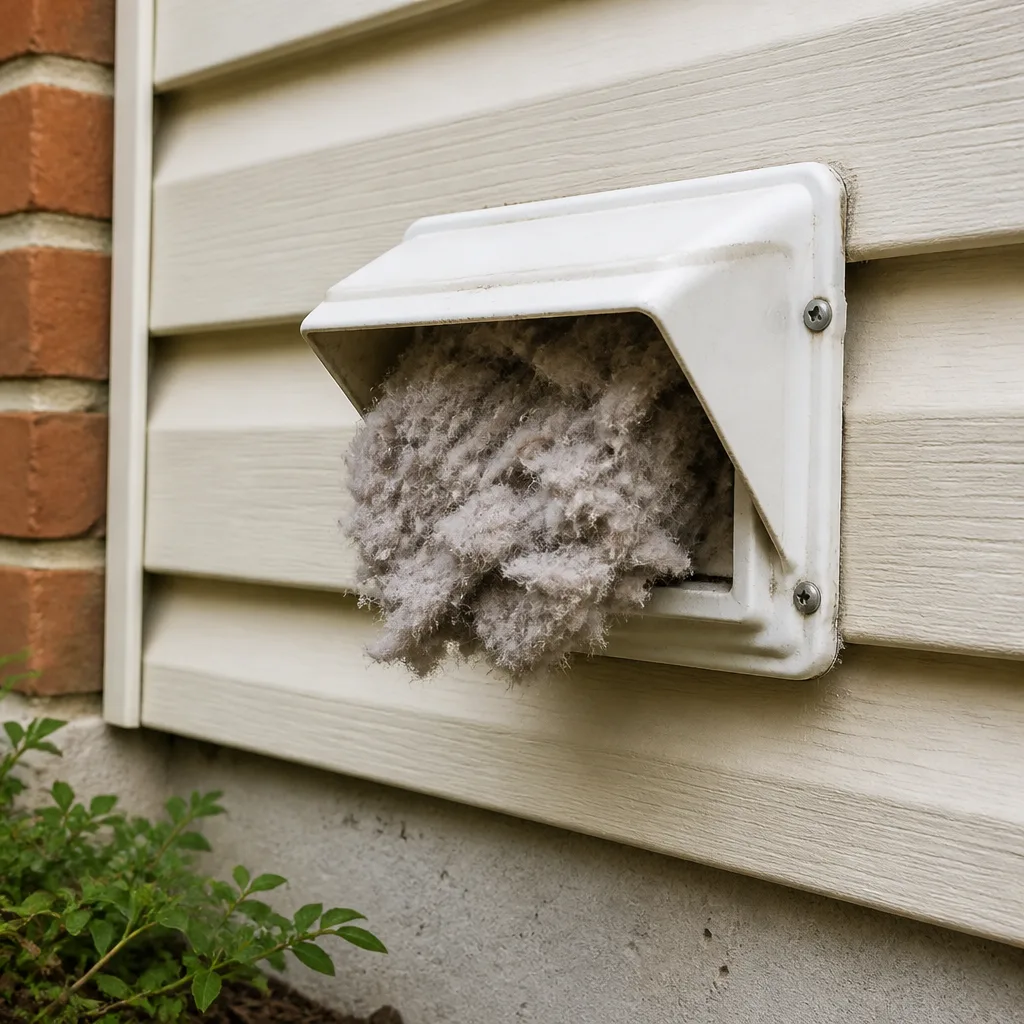 Dryer vent cleaning
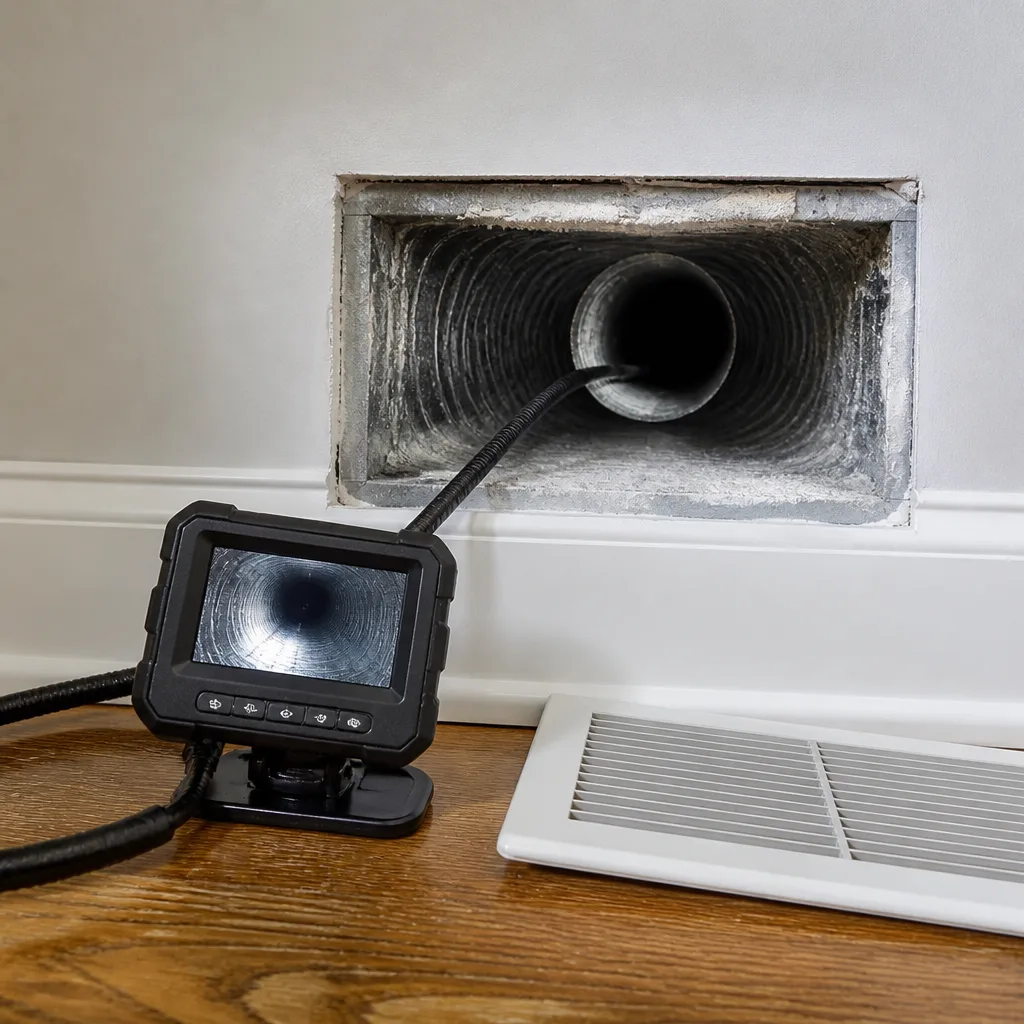 Camera inspection
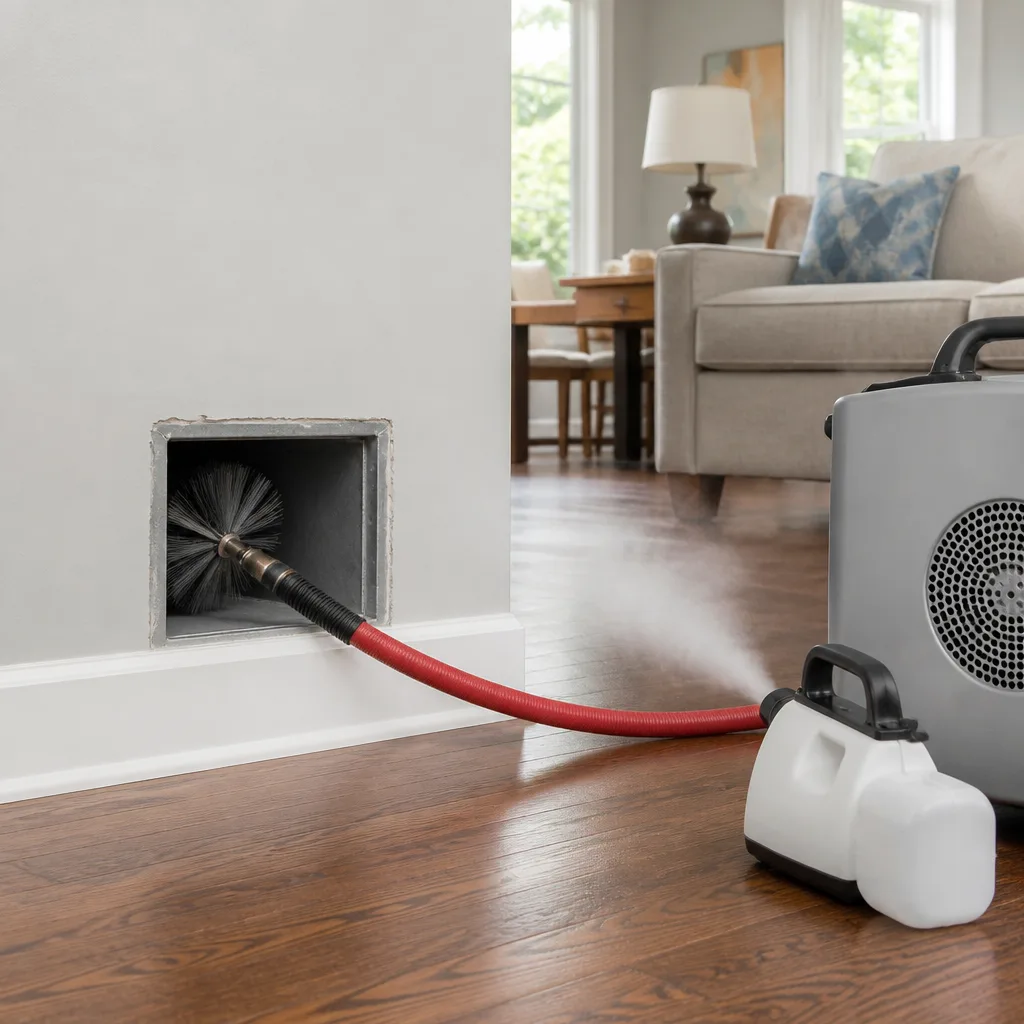 Sanitizing & deodorizing
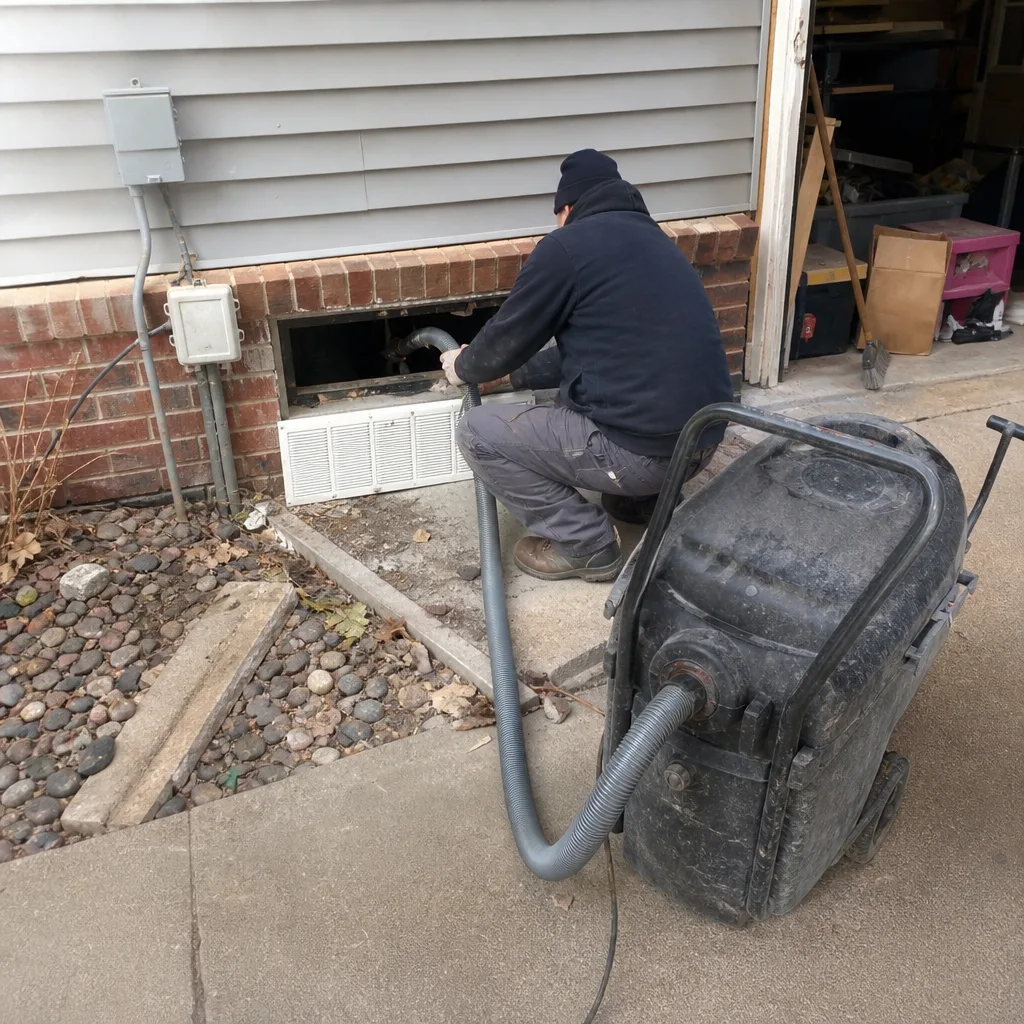
Whole-system duct and dryer vent check with before-and-after photos - you see exactly what came out of your vents
That "$99 whole-house special" is a bait ad - the real number appears once they are in your hallway, or the "clean" is a shop-vac at the register. We photograph the inside of your ducts before and after instead.
Air Duct Cleaning Maintenance Checklist for Green Valley Ranch Homeowners
Most homeowners treat duct maintenance like a car’s oil change: a filter swap every few months and a professional cleaning every few years, on a tidy 12-month clock. That calendar approach misses how a home actually collects dust here. Green Valley Ranch sits on the eastern edge of the Denver metro, where the maintenance window is driven by events, not dates. Wildfire smoke drifts in from summer fires and settles indoors. New construction and remodeling fill the neighborhood with fine drywall dust that travels through the whole system. Spring windstorms push prairie topsoil against the house for hours at a time. Each of those events reshapes what’s sitting in your ducts, and each one resets the countdown on your next cleaning. This guide gives you a register-by-register checklist you can run yourself, plus a clear line between jobs you should own and jobs that need professional equipment.
Quick Answer
Air duct maintenance for a Green Valley Ranch home should be triggered by events, not a fixed calendar: inspect registers and grilles monthly, check the air handler drain pan each season, change filters based on how dirty they actually are, and schedule a professional deep clean after any of these events: a major wildfire smoke event, a renovation or new-build completion, or a significant windstorm that left grit on your sills. Document what you find with photos and dates so your contractor has real data instead of guesswork. Calendar cleaning alone misses the specific events that load ducts fast in this part of Colorado.
Styles & brands we work with
- Whole-home duct cleaning
- Dryer vent cleaning
- Camera inspection
- Sanitizing & deodorizing
Table of Contents
- The Register-by-Register Visual Inspection Protocol
- Your Filter Log: What to Record and Why Dates Alone Fail
- Event-Based Triggers: Wildfire Smoke, Construction, and Windstorms
- How to Spot Duct Leakage at Accessible Joints
- The Air Handler Drain Pan Check
- What to Document Between Professional Cleanings
- Homeowner Tasks vs. Jobs That Need Professional Equipment
- The Dryer Vent: The Checklist Item Most Homeowners Skip
The Register-by-Register Visual Inspection Protocol
A filter change log tells you almost nothing about duct condition. The real indicators live where the air exits and re-enters the system: your supply registers, your return air grilles, and the air handler drain pan. Most homeowners have never looked at any of them. The good news is this inspection needs no tools and takes about fifteen minutes.
Run it register by register, supply and return, so you build a mental map of which runs are cleaner and which are dirtiest. That pattern matters. If the registers in one bedroom are consistently grimier than the rest of the house, that run is telling you something about airflow, a leak, or a connection that’s come loose.
Here’s the protocol:
- Turn off the system. Let the fan stop before you inspect so dust settles and you can see what’s actually accumulating, not what’s just blowing past.
- Remove each register cover (most lift off or have two thumb screws) and look at the inside of the metal boot and the first few inches of duct visible behind it.
- Note what you see: fine gray dust, matted dust that coats the walls, visible lint or hair, dark staining, or anything that looks damp. Write it down per room.
- Look at the grille louvers themselves. A light film is normal. Thick, sticky, or oily buildup means something more is moving through the system.
- Smell the register. Musty, sour, or “dirty sock” odor points to moisture, not just dust. That’s a different problem than cleaning solves.
- Photograph each register with your phone, inside and out, and name the photo by room. You’ll want these for comparison later.
- Reinstall the covers and record the date of your inspection.
Do this monthly during active seasons and after any major event. The goal is a baseline. Once you know what a clean register looks like in your house, the drift in condition becomes obvious. If a full inspection reveals visible buildup behind the boots, that’s the point to think about a full air duct cleaning rather than another wipe-down.
Your Filter Log: What to Record and Why Dates Alone Fail
A date on a filter is not a maintenance record. What you want to know is how fast the filter loaded, what it captured, and whether the change interval you’re using actually matches conditions. In Green Valley Ranch, the same filter that lasts a full stretch in a quiet month can load in half the time during a smoke event or a nearby build. If you only track dates, you’ll never see that shift.
Build a simple log. A notebook works. A note on your phone works. What matters is the fields:
- Date installed and date removed
- Filter size and MERV rating
- Visual condition at removal (light, moderate, heavy; describe what’s on it)
- What events happened during that filter’s life (smoke days, windstorm, renovation)
- Any change in smell or airflow you noticed during the run
After a few cycles you’ll see a pattern. If your filters darken fast on the west-facing side of the house, that tells you about window drafts and air movement. If every filter loads evenly, you’re probably running a consistent interval. Watch the airflow signal too: when a filter is genuinely loaded, rooms return to normal the moment you replace it. If airflow stays weak after a fresh filter, the restriction isn’t the filter. That’s a sign to check the return air path.
Filter choice interacts with the rest of the system, which is why professional cleanings and filter management are usually discussed together. A filter’s job is to protect the equipment. The equipment’s condition determines how much the filter has to do. We use professional-grade machines like Rotobrush and Nikro systems because they remove the accumulated debris that a filter alone can’t reverse.
Event-Based Triggers: Wildfire Smoke, Construction, and Windstorms
This is the part of the checklist most generic advice leaves out. Duct maintenance here follows the seasons of the Front Range, and three event types change the load on your system fast enough to override any calendar schedule.
Wildfire smoke events
Summer smoke from fires across the region settles into homes even with the windows closed. Fine particulate moves through door seals, window gaps, and the return air path. What lands in ducts and on coils isn’t just visible ash; it’s fine material that can hold odor. After a significant smoke period, inspect your registers and change your filter. If you can smell smoke indoors when the system runs, that’s a signal the ductwork and coil have captured it. This is where air quality work (filtration upgrades and sanitizing) becomes part of the conversation, not an upsell. Aprilaire and Honeywell filtration products exist precisely for this kind of load, and matching the right filter setup to your system matters more than buying the most expensive one on the shelf.
Post-construction: new builds and renovations
New construction across Green Valley Ranch and renovation work inside established homes both generate fine drywall dust, sawdust, and insulation fibers. That dust travels. It settles in ducts, coats coils, and clogs returns. The sequence matters: renovation first, then a thorough cleaning of the whole system, not a cleaning in the middle of the work. If you’ve just closed on a new build, a first deep clean is standard practice because construction debris in the system is common and the system was running while the dust was in the air.
Windstorms
Spring and early-summer wind across the eastern metro pushes fine topsoil against the house for hours. Wind-driven dust gets pulled into return air paths and small gaps. If you notice a fine reddish-gray grit on sills after a windstorm, some of it is inside the system too. Inspect registers and change the filter. If the layer on the register boots is thick enough to write in, that’s a professional cleaning trigger, not a filter swap.
If the system is whistling, rattling, or moving less air than it should after any of these events, the next step is often a look at the whole air pathway, which is what a full HVAC cleaning covers.
How to Spot Duct Leakage at Accessible Joints
You don’t need an energy auditor to find the leaks that matter most. Accessible joints (where a duct run meets a boot behind a register, where sections connect in an unfinished basement or mechanical closet, and where the duct connects to the air handler) give you the cues yourself.
What to look for:
- Dust lines or dark streaks at the seams and taped joints. Air escaping a leak carries dust that deposits in a line right at the gap.
- Displaced or peeling foil tape. Tape that’s curled, gray, or lifting is often a leak indicator at that joint. It’s also a common failure point after years of heating and cooling cycles.
- Loose flex duct at connections. If a flexible run isn’t seated fully over its collar, you’ll see a gap at the joint.
- Dusty air right at a register while the rest of the room feels normal. That can mean a leak upstream pulling in attic or crawlspace air.
- Uneven room temperatures across the house that don’t track with room size. Lost air from leaks shows up as rooms that never quite cool or heat like the rest.
You can also run a simple pressure check by hand. With the system running, hold a piece of tissue near a suspected joint in a mechanical space and watch for fluttering. Light flutter confirms air movement at that spot.
Finding leaks is a homeowner task. Sealing them properly on a running system usually isn’t, because the right sealant, taping method, and reseating depend on duct type. This is where our duct repair and sealing work comes in. Cleaning alone doesn’t fix a leak, and a leak pulls contamination back into your clean system from unconditioned spaces. We repair what we find because a resealed joint is what keeps the next cleaning from needing to happen sooner.
The Air Handler Drain Pan Check
Third indicator, and the one most people never look at: the air handler drain pan. In a cooling system, moisture condenses on the coil and drains into the pan. That pan is a small, dark, damp environment. If it’s clogged, slow to drain, or holding standing water, you have a moisture problem that will eventually feed mold, odor, and biological growth in the system.
Here’s how to check it:
- Locate the air handler, usually in a mechanical closet, attic, or basement.
- Find the drain pan under the coil and look at the water level.
- Look for standing water, slime, algae, or rust in the pan.
- Trace the drain line and make sure it’s flowing, not clogged or set at the wrong slope.
- Smell near the pan and coil. Musty or sour odor here is a strong indicator of moisture problems.
What you should not do is pull the coil cover, disconnect refrigerant lines, or attempt to clean the coil yourself. That’s equipment that requires a trained technician with proper tools and containment. If your pan check turns up standing water or visible growth, that’s a call-over task, not a weekend project. Homeowners who want cleaner air should know the difference, and this is one of the clearest lines between “I can check this” and “I shouldn’t touch this.”
What to Document Between Professional Cleanings
A contractor who arrives with no data works from scratch. A contractor who arrives with your log knows exactly what kind of cleaning you need. Documentation between professional cleanings turns a guess into a diagnosis, and it takes almost no time if you do it as you go.
Record:
- Photos of each register, inside and out, taken on the same date each time so you can compare condition drift.
- Filter change dates and filter ratings, as covered above.
- An odor log. Note when you first noticed an unusual smell and where. Odor that appears only when the heat runs is a different problem from odor that appears only when the AC runs. Recording which one it is helps.
- A dated list of events: smoke periods, windstorms, renovation start and end dates, new build closing dates.
- Any room that’s uneven in temperature or airflow, and whether the pattern is consistent or intermittent.
- The date of your last professional cleaning and which services were performed.
With that record in hand, a technician can tell the difference between normal dust accumulation, a leak pulling in attic air, and a moisture problem that needs a coil check. It also helps you decide whether you need a full cleaning, a targeted repair, or an upgrade to your filtration. For anyone weighing whether an install makes sense, our guide to air quality and sanitizing work covers the options and when they’re worth it.
Homeowner Tasks vs. Jobs That Need Professional Equipment
The blunt truth about duct maintenance: most of the homeowner-facing checklist is inspection and recording. Most of the actual cleaning mechanics require equipment no homeowner owns, and the wrong tools can make things worse by loosening debris that then re-deposits deeper.
Tasks homeowners should own
- Register and grille visual inspections, with photos
- Filter changes and the filter log
- Wiping down register louvers and covers
- Drain pan visual checks
- Watching for leakage signs at visible joints
- Dated records of events and symptoms
- Dryer vent exterior and interior lint checks (visual only)
Tasks that need professional equipment
- Mechanical cleaning of the full duct interior. It requires pressure with proper agitation and extraction, plus containment so you’re not filling the house with dust while you work. That’s why professional systems exist. Rotobrush and Nikro are made for exactly this job.
- Air handler and coil cleaning. Moisture, electrical components, and refrigerant lines are involved. This is trained-technician work.
- Negative-pressure and containment work. Abatement Technologies equipment allows a trained crew to hold the system under negative pressure so released debris is captured rather than circulated into your rooms. That’s a level of containment standard consumer equipment can’t match.
- Duct repair and sealing of inaccessible runs. The accessible ones you can spot. Fixing them properly takes the right materials and access.
- Air quality sanitizing. Guillardsman and similar treatment products are applied by trained hands. We use treatment products after cleaning because clean surfaces aren’t the same as protected surfaces.
The practical rule: you observe, record, and manage the routine. The large-scale cleaning, repair, and sanitizing are where professional equipment earns its place. That’s the difference between maintenance and intervention.
The Dryer Vent: The Checklist Item Most Homeowners Skip
Most air duct maintenance checklists stop at the HVAC system. That’s a mistake. The dryer vent is part of your home’s air pathway, and it’s the one with the most direct safety consequence. Lint is highly flammable, and a vent that’s loaded with it is a real hazard, not a hypothetical one.
Homeowner checks:
- Look at the exterior vent flap: does it open fully when the dryer runs? A flap that barely moves suggests restriction.
- Clean the lint trap before every load, ideally after.
- Notice drying time: if a load that used to dry in one cycle now takes two, airflow is dropping.
- Watch for heat or humidity building up near the dryer, or a dryer that feels hot to the touch.
Full interior dryer vent cleaning, including the run through the wall, requires proper tools. If you’ve never had the vent cleaned, or your drying times are climbing, that’s a professional job. This kind of dryer vent cleaning is part of the full-system approach because the dryer vent is part of the system. An HVAC cleaning that skips it leaves a known hazard in place.
Common Mistakes to Avoid
- Relying on the calendar alone. If you clean on a fixed 12-month cycle and ignore the smoke event that happened in between, you’re cleaning the wrong layer. Let the events set the timing.
- Buying the highest-MERV filter without checking the system. A filter that’s too restrictive for your equipment can reduce airflow and stress the system. Match it to the equipment and to the load you’re actually seeing in your log, not to a label.
- Skipping the register boots and only wiping the covers. The grime you can see on the cover is the least informative part of the picture. The inside of the boot tells the actual story.
- Ignoring the drain pan because it’s out of sight. A slow drain or standing water is a moisture problem that feeds mold and odor, and it doesn’t fix itself.
- Cleaning ducts but not sealing the leaks that let contamination back in. A leaky joint pulls unconditioned air back into a freshly cleaned system. Cleaning without sealing is a partial job.
- Treating the dryer vent as separate from the HVAC system. The airflow, contamination, and fire risk are all part of the same home system. Skip it and you’re ignoring the item that matters most for safety.
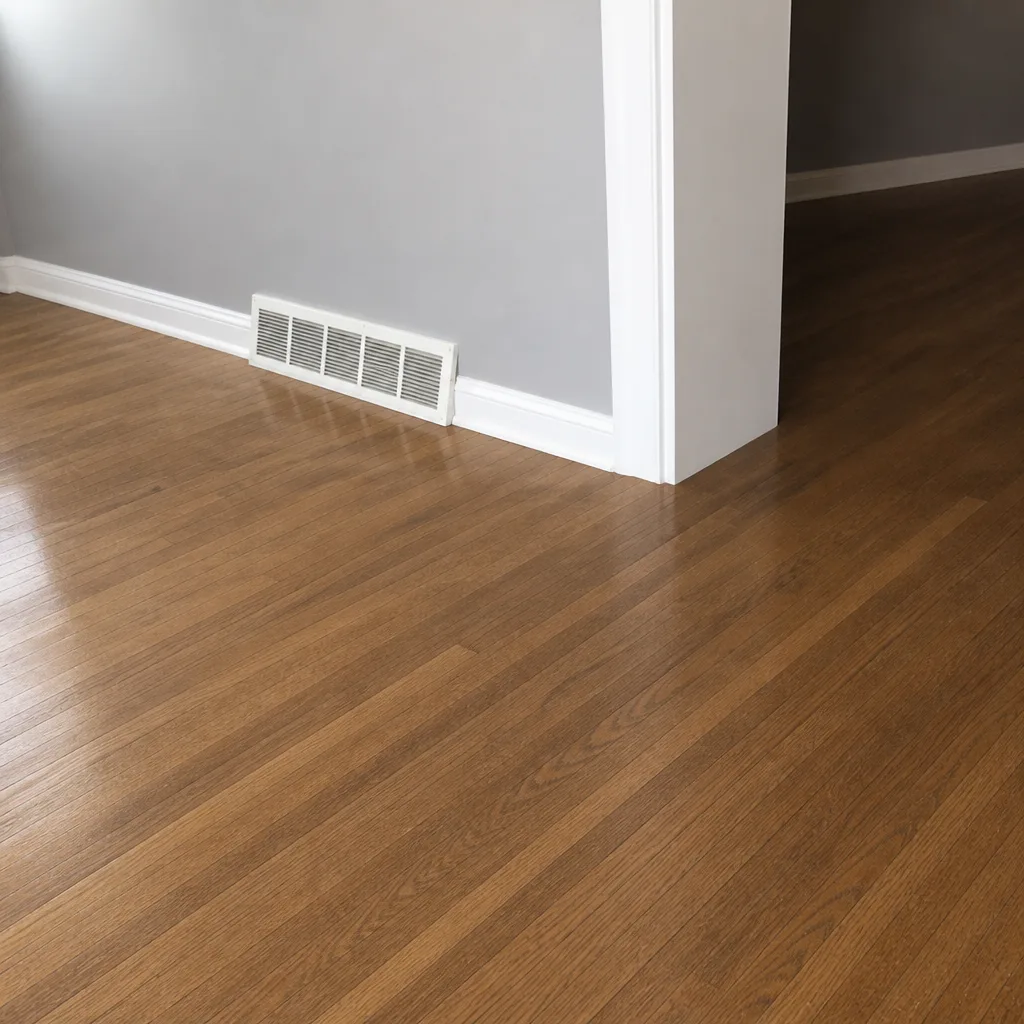
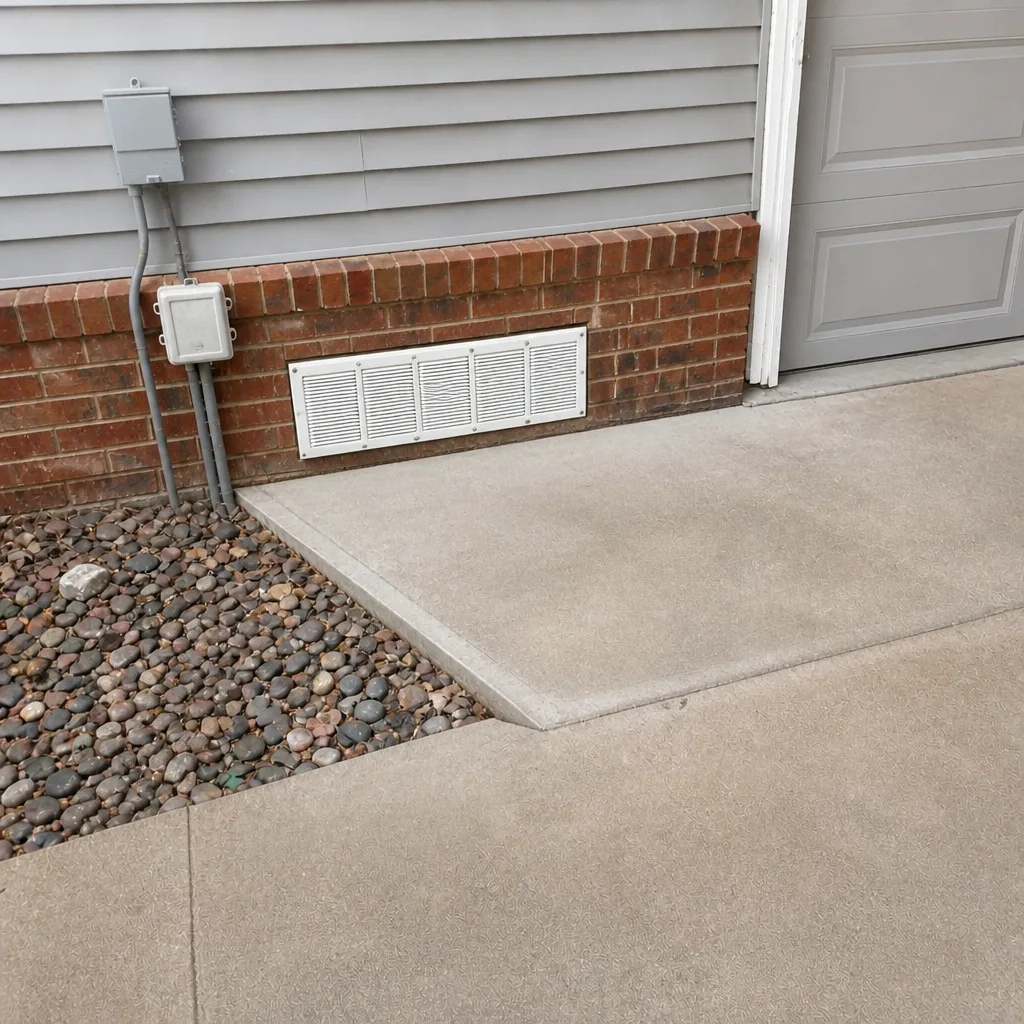
- Trusting a cleaned-looking register as proof the ducts were cleaned. The register is the visible end. The condition of the coil, the main trunk, and the accessible boots is what actually changed, and you should expect before-and-after photos to know it happened.
See the difference
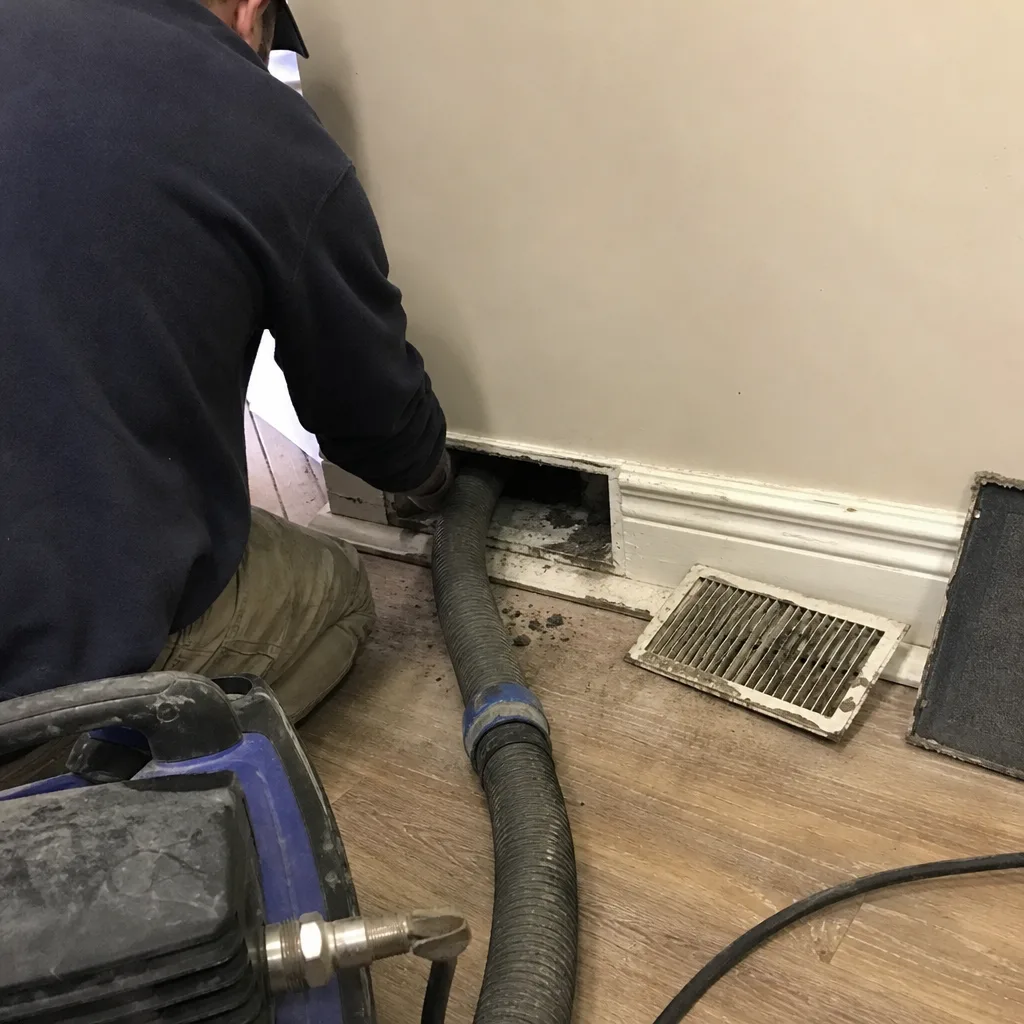 Before
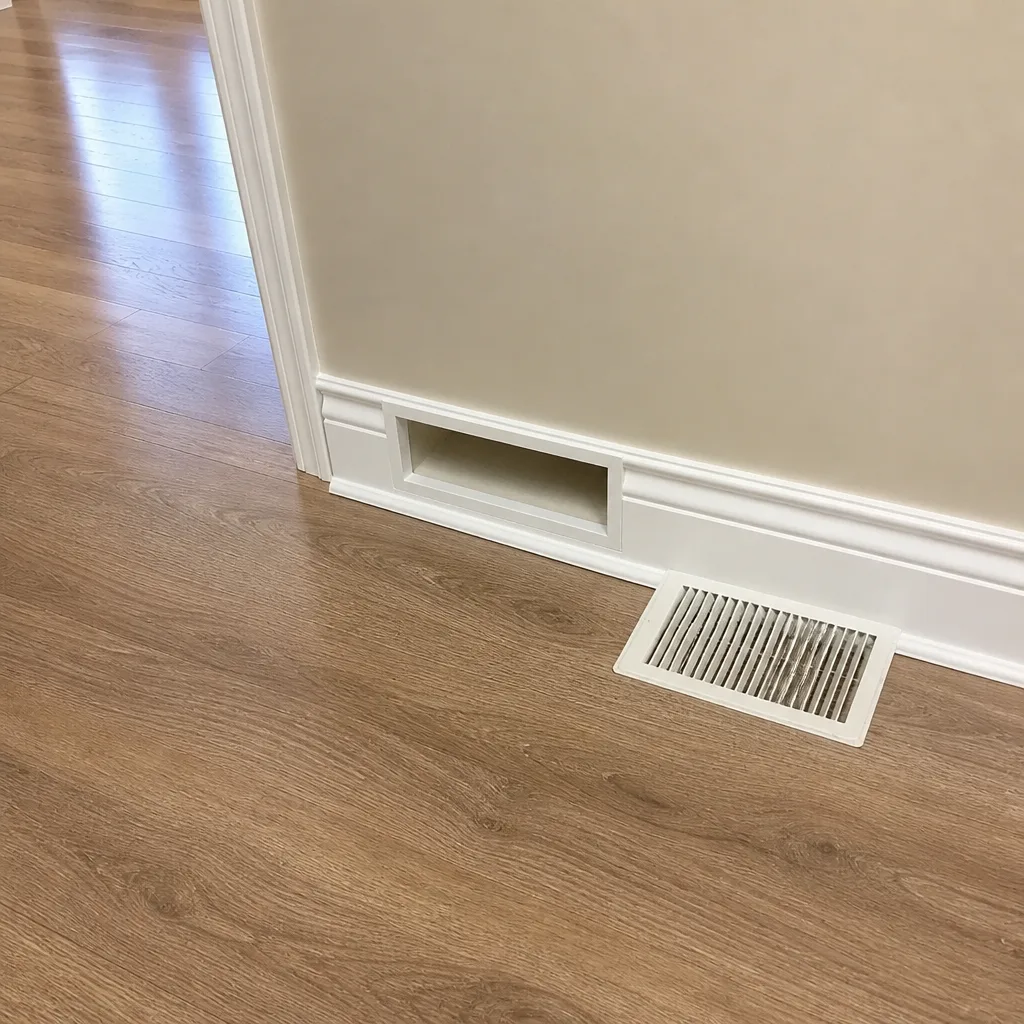 After
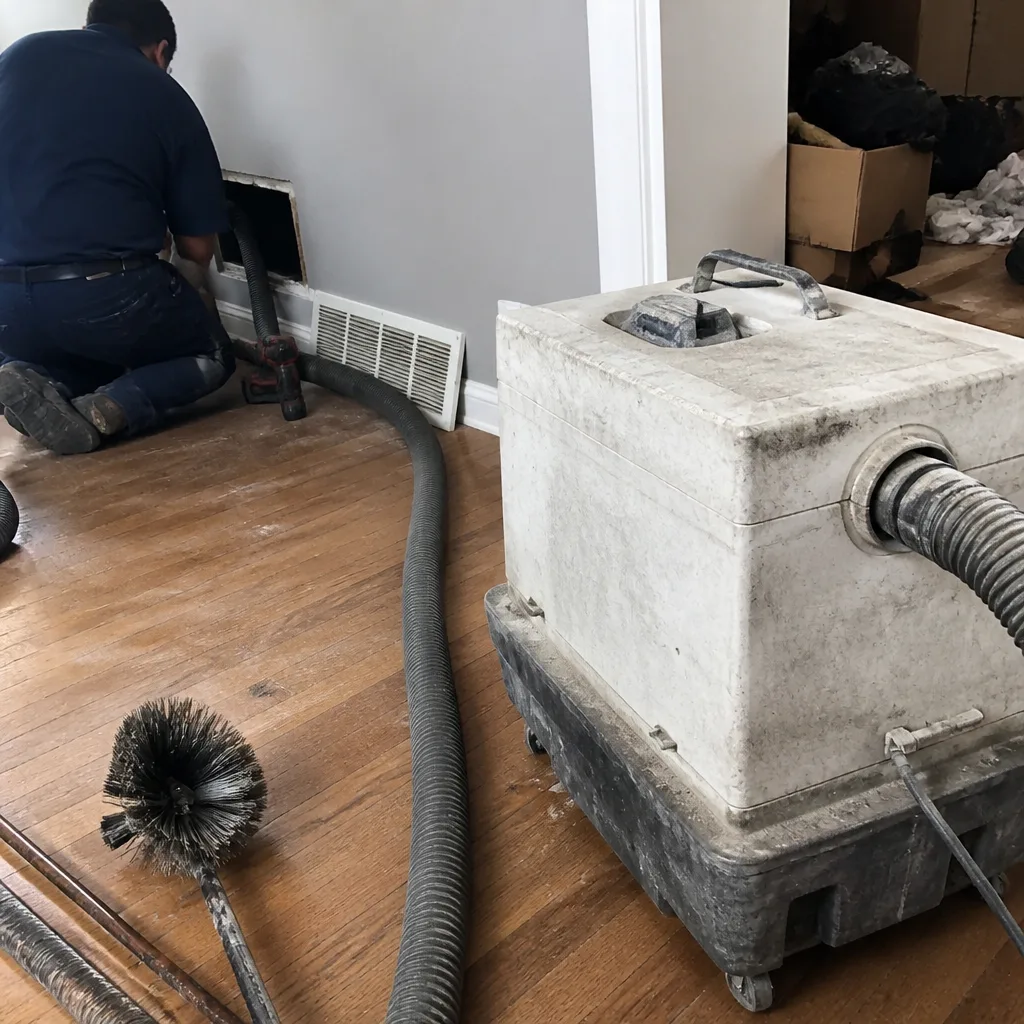 Before
 After
 Before
 After
When to Call a Professional
Some signs don’t wait for the next scheduled cleaning. Call a professional if you see visible matted dust or buildup inside the register boots, if you smell mustiness when the system runs, if your drain pan is holding water or showing growth, if your drying times have climbed noticeably, if there’s visible debris after a renovation or a new-build closing, or if you’ve had a major smoke event and the odor lingers indoors. These aren’t cases where a filter swap or a wipe-down resolves the issue. Air Duct Cleaning Green Valley Ranch offers free estimates in Green Valley Ranch: call (833) 513-8603. We answer 24/7, with fast dispatch from 7am to 7pm, Sunday through Friday.
Frequently Asked Questions
Most homes need a professional deep clean based on events rather than a fixed schedule, with a common baseline being a full cleaning every few years for homes without special loads. In Green Valley Ranch, add a cleaning after a major wildfire smoke event, a renovation, a new-build closing, or a windstorm that left grit indoors. Between those, run the monthly register inspection and the filter log so you know when the buildup is real.
The inside of the register boots and the air handler drain pan. Those two spots show the condition of the system better than any other accessible surface, and they require no tools. A monthly photo of each gives you evidence of change over time.
Look for dust lines or dark streaks at seams, peeling foil tape, loose flex duct connections, uneven room temperatures, or dusty air right at one register. Air escaping a leak deposits dust in a visible line at the gap. If you find obvious leaks at accessible joints, duct repair and sealing is the fix, and it’s a different job from cleaning.
Yes, if you haven’t had it done recently or your drying times have climbed. The dryer vent carries lint that’s a genuine fire hazard, and it’s part of your home’s airflow. Bundling the work makes sense operationally because it’s one visit and one system-level check.
Purpose-built duct cleaning machines like Rotobrush and Nikro systems, negative-pressure containment equipment like Abatement Technologies units, and HEPA filtration setups. Consumer shop vacuums can’t hold the pressure, agitation, or containment a proper cleaning requires. The professional system also captures what it loosens instead of redistributing it.
No. Filters catch what passes through them, but they don’t remove what’s already settled in the ducts, on the coil, or in the boots. In a home exposed to smoke, construction dust, or windstorms, the buildup on the coil and in the system can limit airflow even when the filter is fresh. Filters manage the incoming load; professional cleaning removes the accumulated load.
The Bottom Line
Duct maintenance in Green Valley Ranch works best as an observation discipline, not a calendar reminder. You run a monthly register inspection, keep a real filter log with dates and conditions, check the drain pan each season, and watch for leak indicators at accessible joints. You document what you find so your records tell a story over time. And you schedule professional work when events tell you to: after smoke, after construction, after a windstorm, or when the register boots show buildup you can’t wipe away. Clean ducts are the start. Sealed, sanitized, and well-documented ducts are the finish. That’s the full-system approach, and it’s what keeps a home in this part of Colorado breathing well through every season. For a free estimate, call Air Duct Cleaning Green Valley Ranch at (833) 513-8603. We answer 24/7, with fast dispatch from 7am to 7pm, Sunday through Friday.
Written by the team at Air Duct Cleaning Green Valley Ranch.