
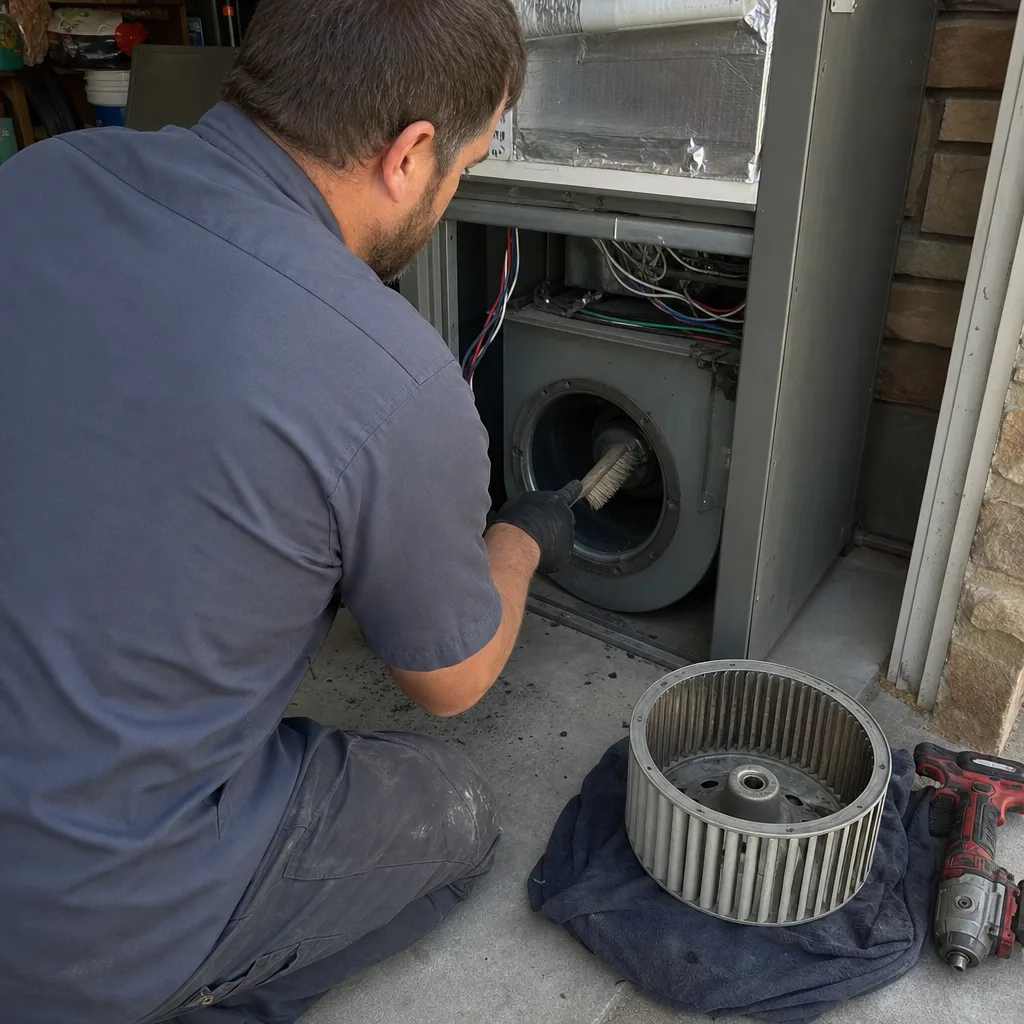
Last updated November 25, 2026
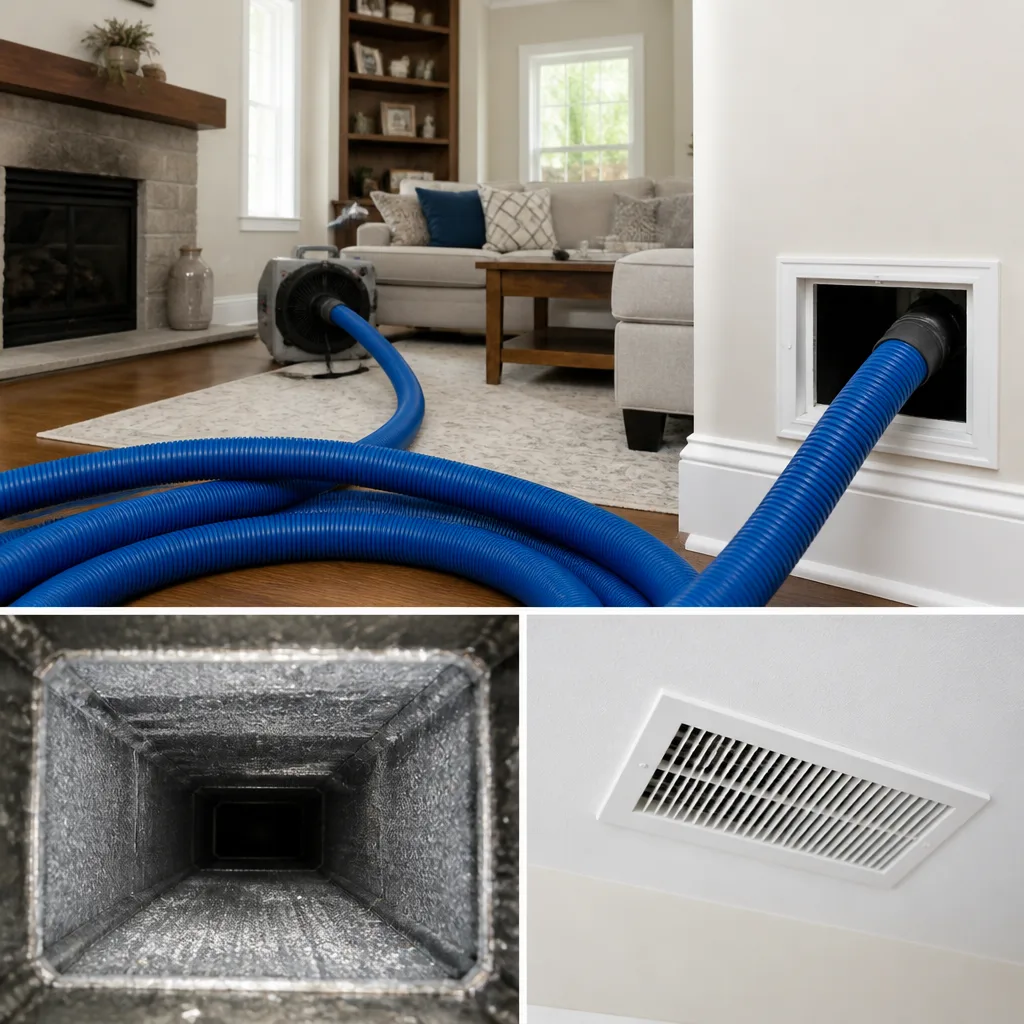 Whole-home duct cleaning
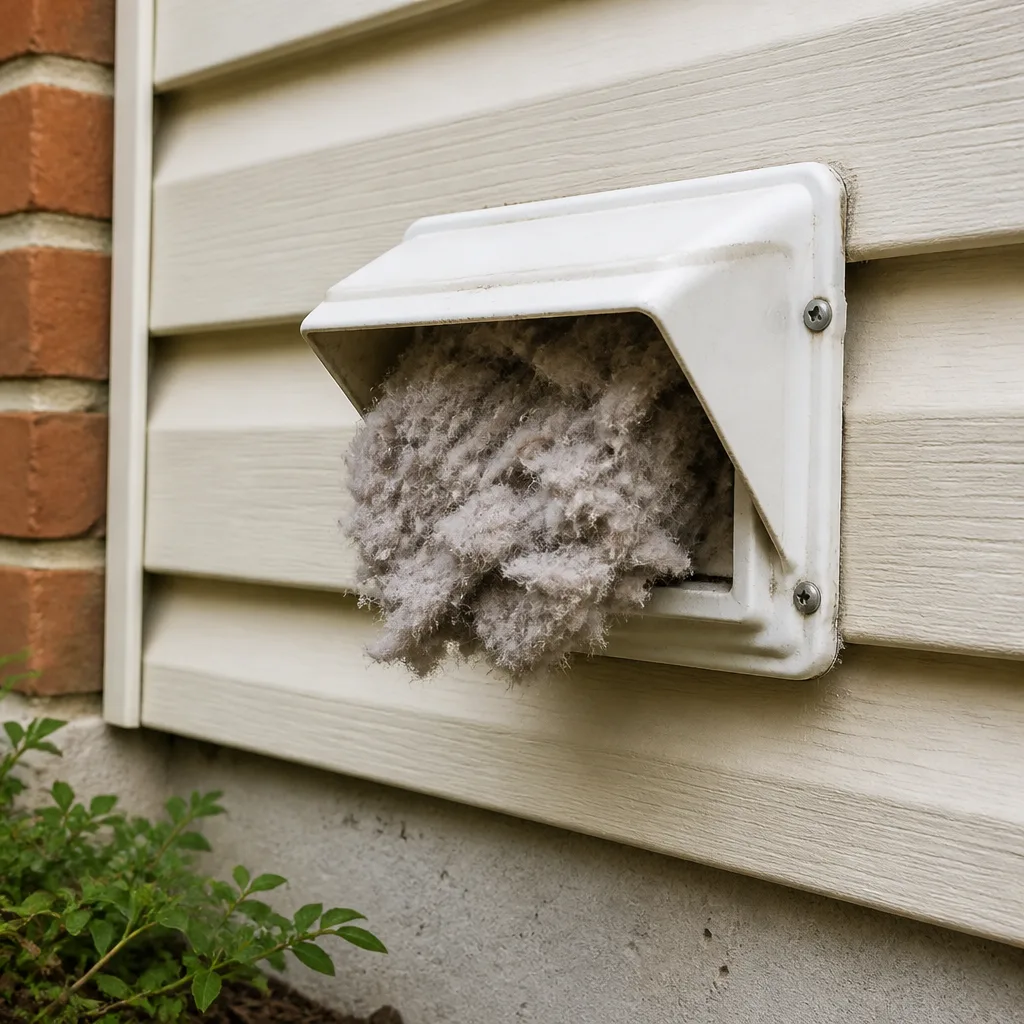 Dryer vent cleaning
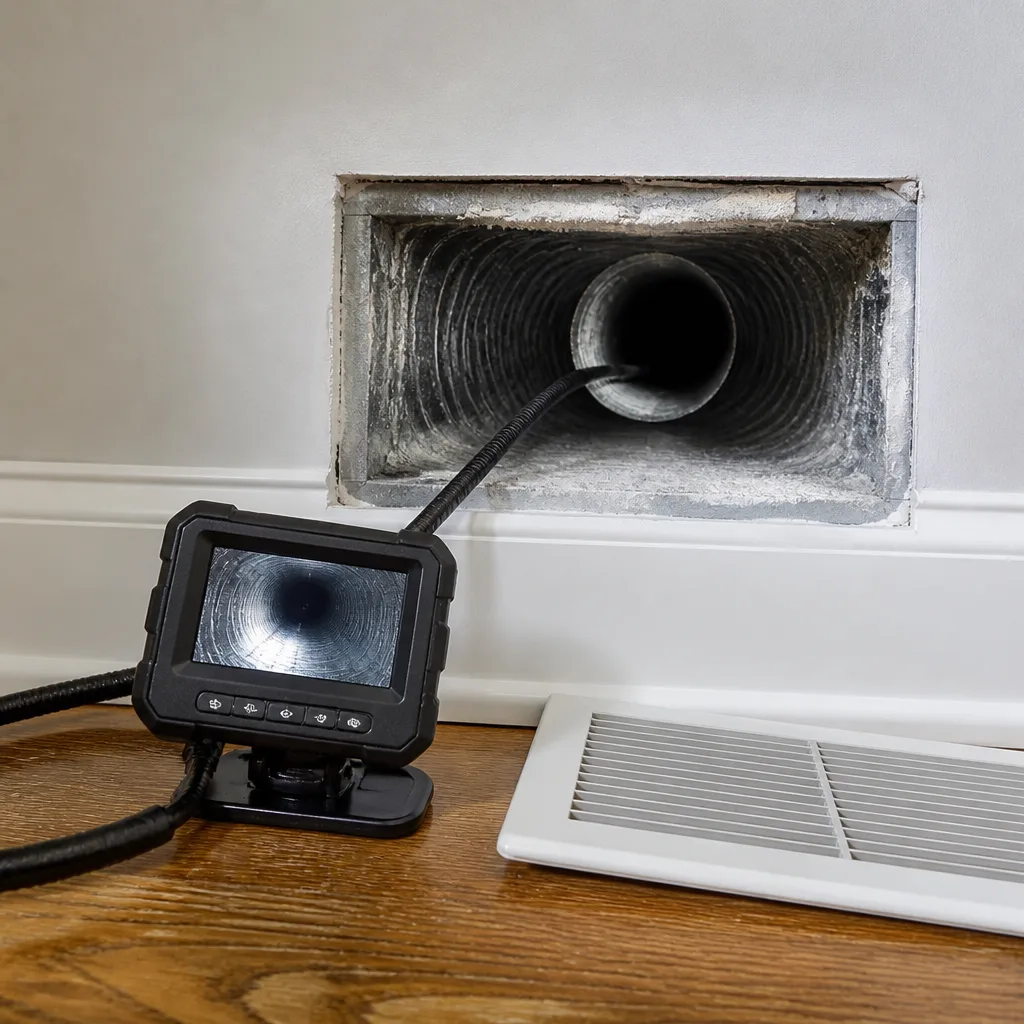 Camera inspection
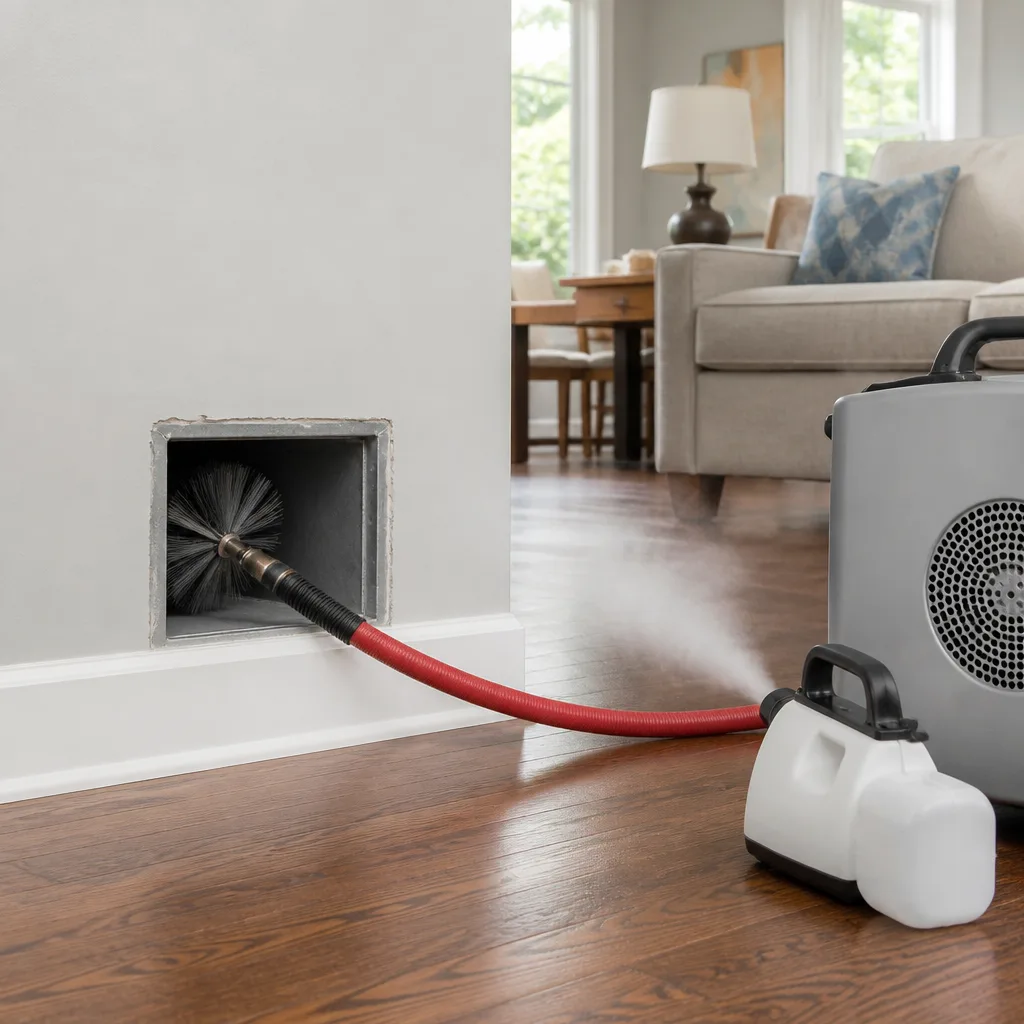 Sanitizing & deodorizing
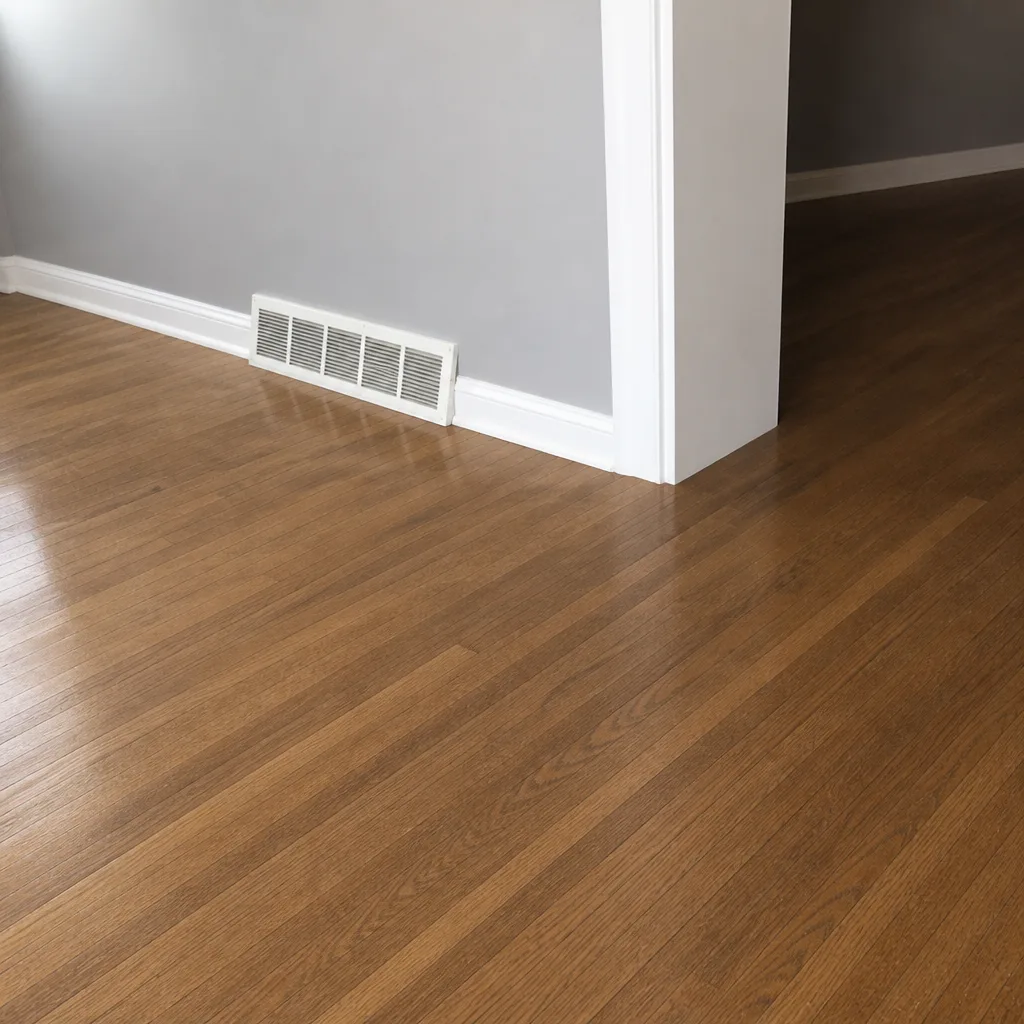
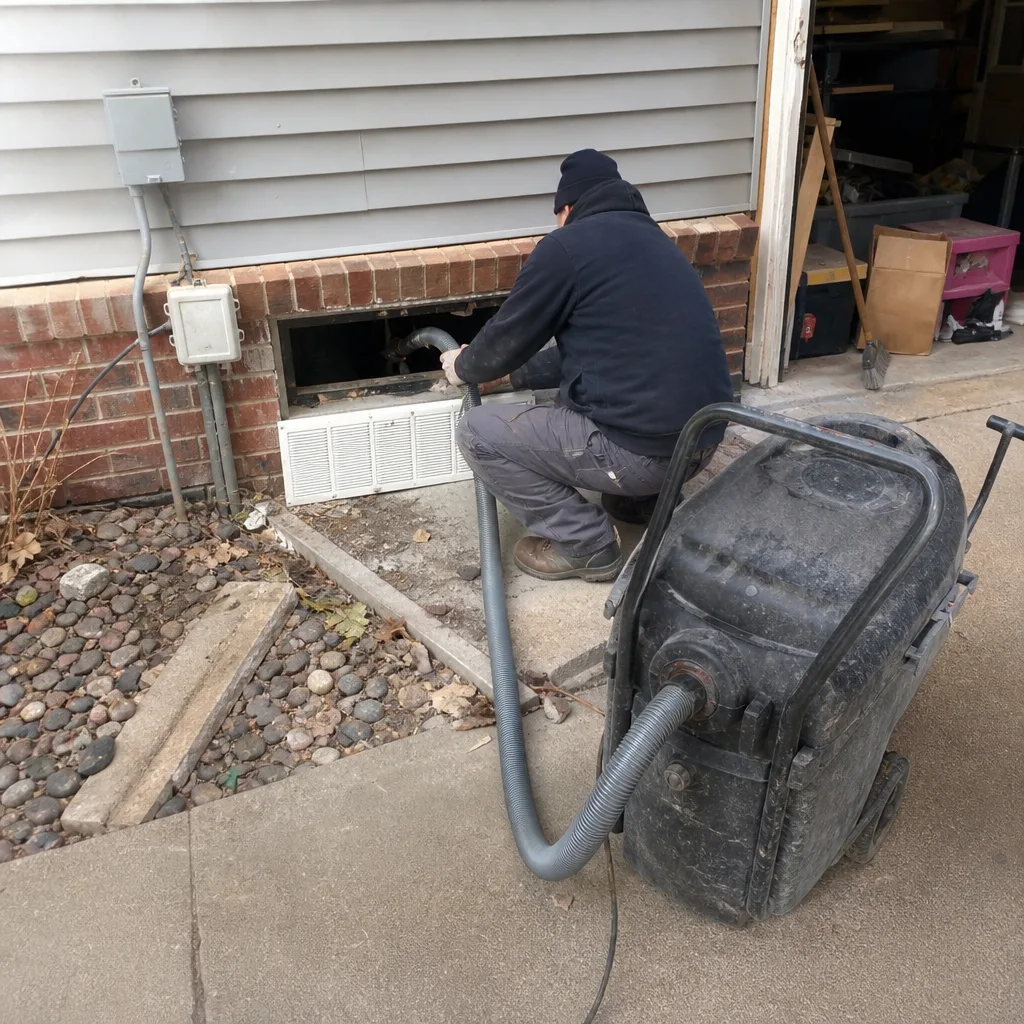
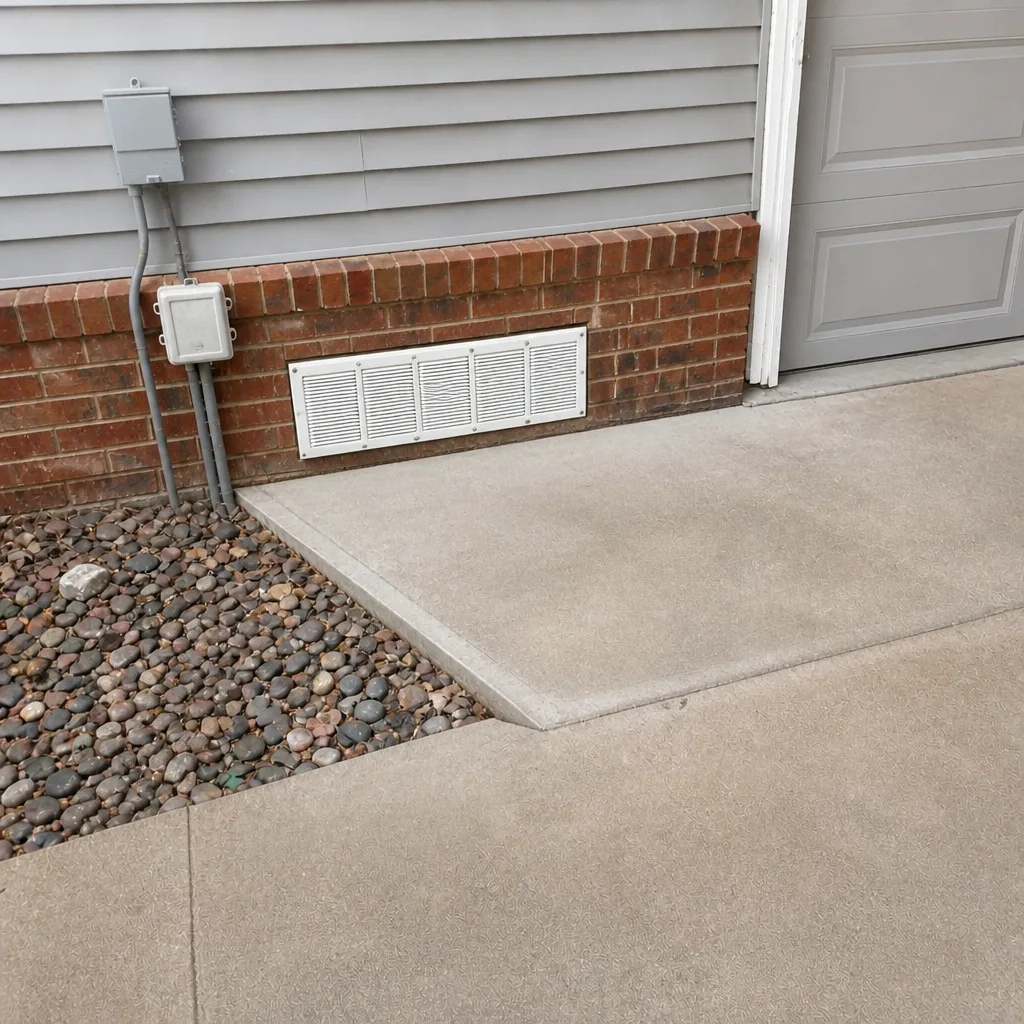
Whole-system duct and dryer vent check with before-and-after photos - you see exactly what came out of your vents
That "$99 whole-house special" is a bait ad - the real number appears once they are in your hallway, or the "clean" is a shop-vac at the register. We photograph the inside of your ducts before and after instead.
Air Duct Cleaning Emergency Preparedness Guide for Green Valley Ranch Homes
Most Green Valley Ranch homeowners think about duct cleaning only after they can see dust on the registers. The truth is the opposite: the dust you can see is the last thing to show up, long after the real problem has built inside the system. By the time a vent looks fuzzy, dust is already coating the blower, the coil, and the plenum, and every time the system kicks on it spreads that load back through the house. This guide covers what an “emergency” in your ductwork actually looks like, how Green Valley Ranch’s high-desert climate and tight new construction change the timeline, what to check before you call anyone, and how to build a plan that keeps your air pathway clean year-round.
Styles & brands we work with
- Whole-home duct cleaning
- Dryer vent cleaning
- Camera inspection
- Sanitizing & deodorizing
Quick Answer
Air duct cleaning “emergency prep” in Green Valley Ranch means knowing the handful of situations that actually require fast action: a burning smell from a vent, visible mold at a register, a dryer vent that no longer pushes air outside, or a renovation that just filled the ducts with drywall dust. For everything else, the right move is a scheduled, whole-system cleaning with professional equipment, plus sealing any gaps so contamination doesn’t come right back. Have the phone number for Air Duct Cleaning Green Valley Ranch saved before you need it.
Table of Contents
- What Counts as a Duct Emergency?
- How Green Valley Ranch’s Climate Shapes Duct Contamination
- How to Prepare Your Home Before a Cleaning Visit
- Why Construction Dust From Fast-Growing Green Valley Ranch Is Different
- The Dryer Vent Danger Most Households Overlook
- How to Actually Know Your Ducts Are Dirty
- Why Equipment Matters More Than You Think
- Building a Year-Round Air Pathway Plan
- Common Mistakes to Avoid
- When to Call a Professional
- Frequently Asked Questions
- The Bottom Line
What Counts as a Duct Emergency?
Most of what homeowners call a “duct emergency” is really a maintenance problem that has been aging quietly for months. Genuine emergencies are rare, but they exist, and in Green Valley Ranch they tend to cluster into a few recognizable types.
The clearest sign of real trouble is a burning or chemical smell when the furnace or AC runs. That can point to overheating components, melted insulation, or a blower motor in distress. Another is visible mold or a persistent musty odor at the registers, especially after a humid stretch or a water event. And the quietest one of all is a dryer vent that no longer pushes warm air outside; that’s a fire risk, not a nuisance.
Here’s how to sort a duct problem into “call now,” “call this week,” or “schedule it”:
- Call now. Burning smell, smoke, or visible flames anywhere near a vent. Leave the house first, then call from outside.
- Call within days. Visible mold at a register, a dryer that takes more than one cycle to dry a normal load, or air barely moving at multiple vents.
- Schedule a routine inspection. Persistent dust in a home with pets or allergies, or any home that hasn’t had the system cleaned in recent memory.
- Book a seasonal deep clean. After a renovation, before moving into a newly built house in Green Valley Ranch, or before the heating season starts.
What’s not on that list is “the house smells a little stale.” A stale smell is worth investigating, but it’s a diagnostic question, not an emergency. In our experience, filling that gap with a properly scheduled inspection is far more useful than treating every odor as a 3am problem.
How Green Valley Ranch’s Climate Shapes Duct Contamination
Green Valley Ranch sits at elevation on the eastern side of the Denver metro, and the climate here does something specific to ductwork that coastal and humid-climate homes don’t deal with. The air is dry most of the year. That means dust doesn’t clump; it stays fine and airborne, which keeps it circulating through the system longer before it settles on register grilles.
The bigger factor is the swing. Hot, dry summers followed by cold winters create a seasonal rhythm that many Green Valley Ranch households know well: the furnace runs hard for months, pushing a large volume of air through the ductwork every day. Each cycle through a system that has accumulated dust load deposits a little more on the blower, coil, and duct walls. By spring, the interior surfaces can carry a meaningful layer.
Wind matters too. The Front Range gets gusty days that push fine soil and dust against the house, and any gap in the return ductwork will pull outdoor air in. That’s why we look at the whole air pathway, not just the visible vents:
- Return ducts and plenum. The most common spot for dust to first enter the system.
- Supply runs. Where the dust ends up and where you’ll actually see it.
- Registers and grilles. The surface most homeowners see and the least diagnostically useful one.
- The air handler and blower. Where dust accumulation creates real efficiency loss.
- Duct joints and seams. Where unfiltered air sneaks back in.
The takeaway for Green Valley Ranch homes is straightforward: the dry climate keeps dust fine and mobile, and the seasonal furnace cycle keeps moving it. Cleaning on a fixed schedule, not reacting to a visible problem, works better here.
How to Prepare Your Home Before a Cleaning Visit
Preparation is the most underrated part of a duct cleaning. A well-prepared home means the technician can spend their time on the ducts instead of moving furniture, and the before-and-after photos will actually mean something. Here’s the sequence we’d suggest for any Green Valley Ranch home:
- Clear the working areas. Move breakables and small objects a few feet back from each supply register and from the furnace or air handler.
- Pull back the furniture. Not every room needs the furniture removed. A clear path to each register is enough.
- Locate any pets. Pets are safest in a closed room during cleaning, especially if the technician is using containment equipment on a renovation-dust job.
- Note the airflow problems. Write down which rooms always feel stuffy. That’s valuable diagnostic information.
- Ask about the schedule. Confirm when the technician will arrive and how long the visit will take. Reconfirm the written estimate before any work begins.
- Keep the receipt and the before-and-after photos. They document what was done and give you a baseline for next time.
One additional step: if you have a known allergy in the household, tell the technician before work starts. Abatement Technologies containment equipment is what lets us stay clean during the work, and asking about it ahead of the visit is legitimate. It’s the main thing that distinguishes a real professional clean from a shop-vac and a promise.
For most Green Valley Ranch homes, prep is simple. The point is to leave room for the technician to actually reach every element of the system instead of stopping at the nearest supply vent.
Why Construction Dust From Fast-Growing Green Valley Ranch Is Different
Green Valley Ranch is a newer, fast-growing community, and that shapes duct conditions in ways that older neighborhoods don’t see. Most homes here are relatively young, which means duct systems were installed with modern construction materials: tight houses, spray foam or equivalent sealing, and duct runs designed for efficiency. That tightness is generally good for energy bills, but it makes dust and airborne contaminants inside the system more consequential because less fresh air leaks in from outside to dilute them.
New construction leaves its own dust signature. Drywall dust, fine sawdust, and gyp particles get drawn into the return ducts during construction, and if the system runs before a full post-construction clean, the blower and coil become the first hosts. That’s why a first-time duct cleaning in a new Green Valley Ranch home isn’t a nicety; it clears the residue of construction, not just the dust of occupancy.
Renovation is the same story scaled up. A bathroom remodel, a kitchen update, or a basement finish generates a large volume of fine particulate that finds its way into the return path within days. If your construction didn’t include duct containment, the dust is in the system now.
A few rules of thumb for Green Valley Ranch construction and renovation:
- New build: schedule a full pathway clean after move-in.
- Renovation in progress: seal returns and run a negative-air setup if the project is large enough to justify it. That’s what Abatement Technologies equipment is for.
- Post-renovation: book a clean, then consider sealing any gaps found during inspection.
- Commercial tenant improvements: treat the return path as part of the scope, not an afterthought.
The pattern holds: fast-growing communities like Green Valley Ranch see more construction-related duct contamination than settled neighborhoods because the housing stock is newer and renovations are common.
The Dryer Vent Danger Most Households Overlook
Of all the ductwork in a home, the dryer vent is the one that most often becomes a genuine emergency. A clogged dryer vent traps heat, ignites lint, and sends fire into a wall cavity. It’s also the duct most often ignored, because it doesn’t affect indoor air quality in any obvious way and nothing visibly changes until it’s a serious problem.
The warning signs are clear once you know them: clothes take longer than one cycle to dry, the dryer body feels unusually hot at the back, the outside vent flap barely moves while the machine runs, or there’s a faint burnt smell. Any of these means the dryer vent needs attention.
The dryer vent is one of the five services we cover as part of the pathway, alongside dryer vent cleaning. Many duct cleaners skip it entirely. Missing it in Green Valley Ranch homes is a mistake, because the dry climate produces a lot of lint, and lint is the kindling.
A well-run dryer vent cleaning includes:
- Disconnecting and inspecting the vent run from the dryer back to the exterior.
- Removing lint buildup along the entire run, not just at the ends.
- Cleaning the exterior vent hood and confirming the flap opens freely.
- Checking the transition duct for kinks or crushing.
- Confirming the vent run is the correct material and length for the appliance.
We treat the dryer vent as a fire-safety service, and we don’t consider a home’s duct situation fully addressed without it.
How to Actually Know Your Ducts Are Dirty
Visible dust on a register is the least reliable test of duct condition. Homes with clean ducts can show fuzzy grilles from surface dust, and homes with heavily loaded ducts can look fine because the dust is stuck to the inside of the runs. Here’s how we’d actually check a Green Valley Ranch home, in order of information value:
- Look at the return grille. If dust is caked on the return, that’s a strong signal.
- Run the system and listen. Humming, rattling, or a change in airflow is a symptom of restriction, not just dirt.
- Watch the blower door. A technician can see dust accumulation on the blower wheel and coil, which supply-vent inspection never shows.
- Check the air filter. A filter that clogs quickly is pushing a heavy load through the system.
- Note the room patterns. If the same rooms are always stuffy, the problem is more likely duct balance than general cleaning.
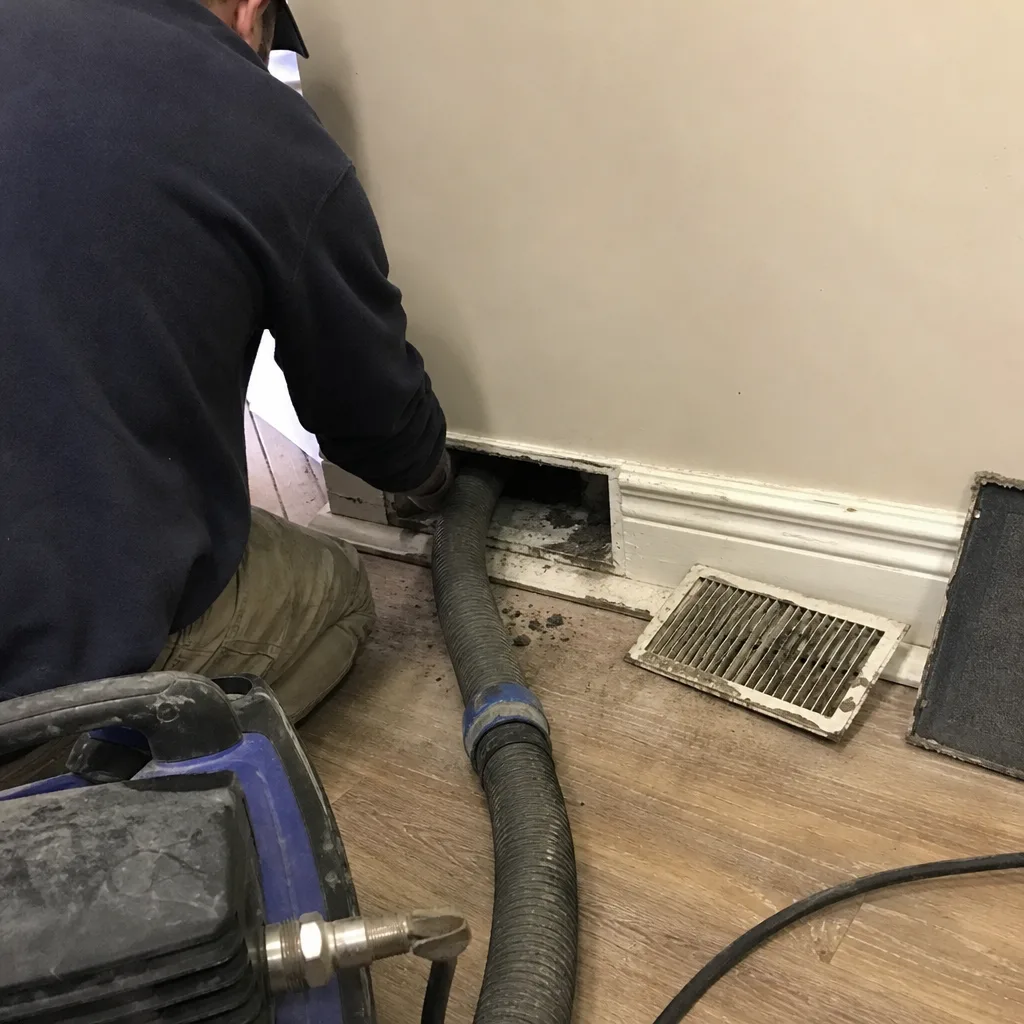
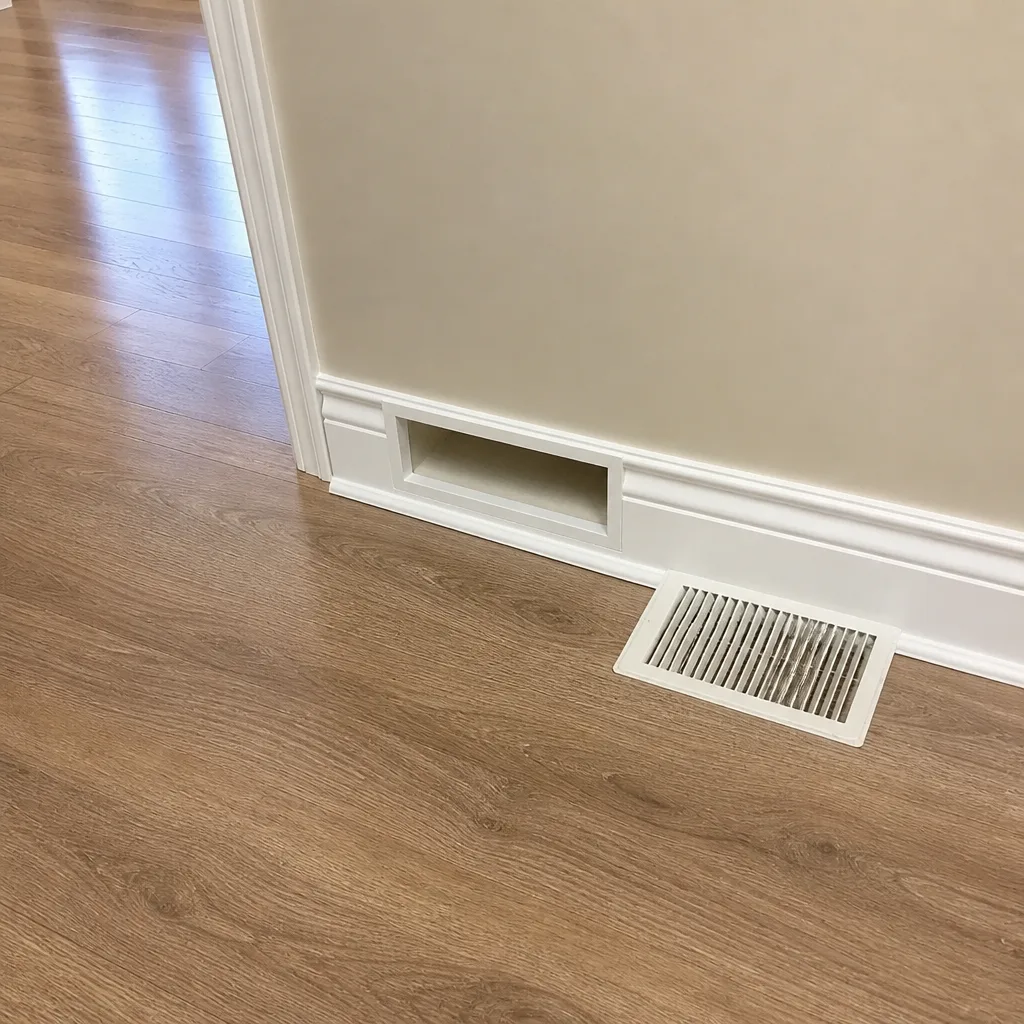
- Snap before-and-after photos. On any service, ask the technician to photograph the interior of the ducts before and after so you can see what changed.
The last step matters most. “We cleaned it” is a claim; before-and-after photos of your own ducts are evidence. Any professional cleaning should produce them.
If the check turns up something inconclusive, the honest answer is that only an inspection of the system interior will tell you. Airflow tests and interior photos are cheap; a full cleaning on a system that didn’t need it is a waste.
Why Equipment Matters More Than You Think
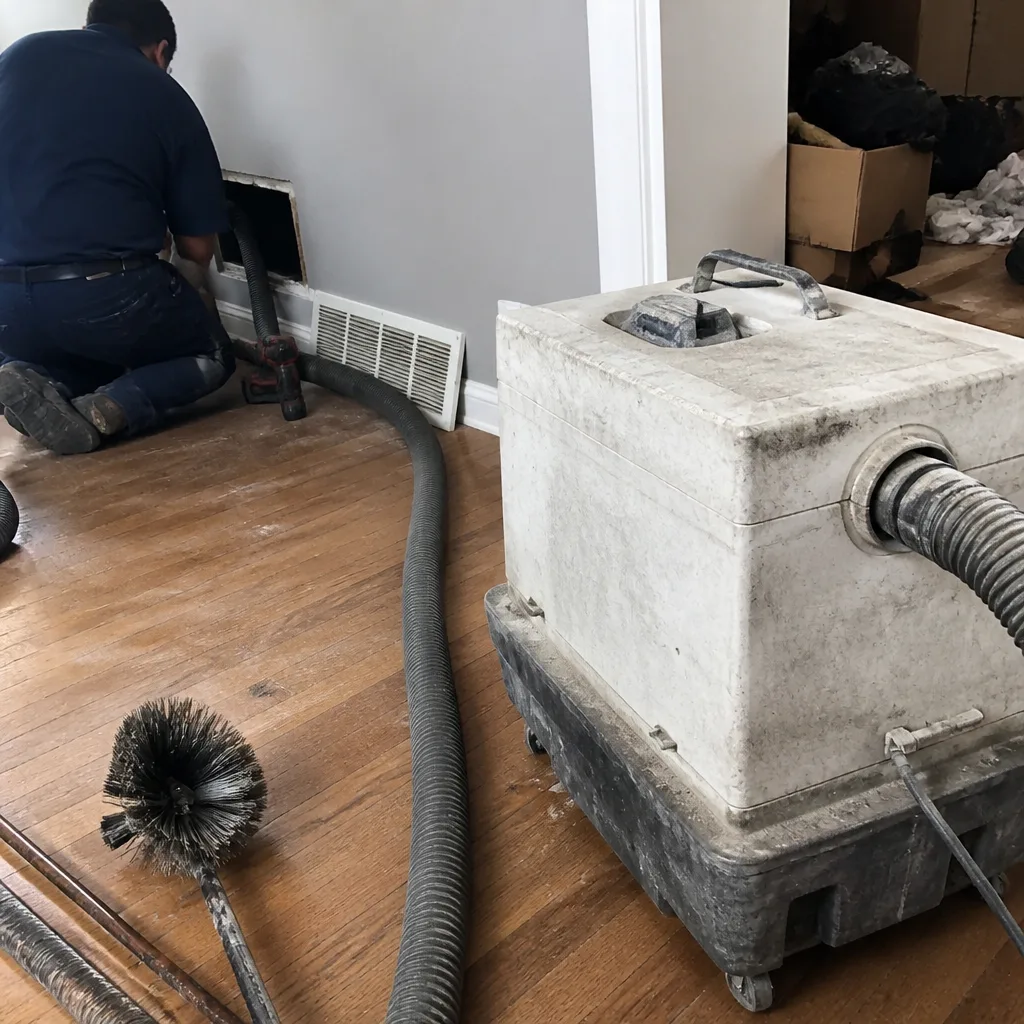
The gap between a professional duct cleaning and a “duct cleaning” is almost entirely the equipment. A consumer shop-vac can reach a supply vent and pull some surface dust. It cannot dislodge the load stuck to a return run, and it cannot create the negative pressure that keeps contamination from spreading into the room during the work.
We use Rotobrush and Nikro systems for the actual mechanical cleaning. These are purpose-built duct cleaning machines, not repurposed vacuums, and they come with the brushes, whips, and air tools to reach the full interior of the run. The difference is visible in the before-and-after photos.
Containment is the second half. Abatement Technologies equipment handles negative-air and filtration, which means dust dislodged from the ducts stays out of your living space. On homes in Green Valley Ranch that are tight and finished, containment is what makes a cleaning safe to do while the family is still in the house.
And after the cleaning, Guardsman treatment products handle post-clean protection and sanitizing. That’s the “sealed, sanitized finish” part of the job, and it’s the difference between a system that stays clean for months and one that reloads in weeks.
Equipment also informs what we recommend. When we find gaps at the seams or collapsed flexible runs, that’s an air duct cleaning conversation that ends in duct repair and sealing, not a repeat cleaning. Finding the root cause and fixing it is cheaper than cleaning the same ducts three times.
Building a Year-Round Air Pathway Plan
An emergency preparedness plan for Green Valley Ranch homes is really an air pathway plan. It’s the schedule and the checklist that keep the system in good condition so that the emergency scenarios earlier in this guide never appear. Here’s the structure we recommend:
- Spring: full air pathway inspection. Look at the return path, blower, and coil. Confirm filters are correct and seated.
- Before the heating season: deep clean the ducts and HVAC if needed. Dryer vent cleaning is due at least once, and more often for large households.
- After any renovation: clean and inspect. Confirm no dust was pushed into the system during construction.
- Annually: dryer vent cleaning and air quality check. If a sanitizing step is appropriate, that’s when it happens.
- Every few years: full deep clean of the duct system, with duct repair and sealing if any gaps or damage is found.
The plan only works if it includes HVAC cleaning alongside the ducts. Cleaning the ducts without cleaning the air handler leaves the dust source in place. That’s why we treat the two as one job.
One honest note: duct cleaning frequency depends on the home. A Green Valley Ranch household with pets, allergies, or recent construction needs more frequent service than a quiet household with no air quality concerns. An annual inspection is the right cadence; the cleaning schedule falls out of what the inspection finds.
Common Mistakes to Avoid
- Waiting for visible dust. By the time a register looks fuzzy, the dust has already loaded the blower and coil. In Green Valley Ranch, the right move is a scheduled inspection, not a visual check.
- Hiring on price alone. A whole-system clean with professional equipment costs more than a supply-vent wipe-down, and the cheap version doesn’t touch the parts that matter. Ask what equipment will be used before booking.
- Skipping the dryer vent. It’s the fire-safety part of the system, and many duct cleaners leave it out. If it’s not on the quote, ask why.
- Cleaning without sealing. Duct gaps let outdoor dust straight back in, undoing the cleaning. Repair and sealing belong in the same visit whenever gaps are found.
- Assuming a new build is clean. Green Valley Ranch’s newer homes carry construction dust in the return path. A first-clean after move-in is the right base case, not an optional extra.
- Skipping before-and-after photos. Without them, you’re trusting a verbal claim. Ask for photos of the interior of your own ducts before and after the work; that’s the evidence you’re paying for.
- Cleaning the ducts and ignoring the HVAC. The air handler is the dust source and the dust collector. A duct clean that skips it is a partial job.
When to Call a Professional
Call a professional when there’s a burning or chemical smell from the system, visible mold at a register, a dryer vent that no longer pushes air, or airflow problems across multiple rooms. Call when you’ve just finished a renovation or moved into a new Green Valley Ranch home and haven’t had the duct system cleaned. Call when the household has allergy or respiratory concerns and the ducts haven’t been inspected in recent memory. And call whenever you’re unsure. A quick inspection settles it, and it’s better than guessing.
The events that genuinely require immediate professional attention are the ones where you can’t wait for a scheduled cleaning. Anything else is scheduling, not emergency response, and treating it as such is the right call. Air Duct Cleaning Green Valley Ranch offers free estimates in Green Valley Ranch. Call (833) 513-8603.
Frequently Asked Questions
Most Green Valley Ranch homes need a full pathway inspection once a year and a deep clean every few years, sooner if there are pets, allergies, or recent renovation. The dry climate keeps dust fine and mobile, which favors a consistent inspection cadence over a reactive one. Call (833) 513-8603 for a free estimate and an honest read on your own system.
A burning or chemical smell from a vent, visible mold at a register, and a dryer vent that no longer pushes air outside are three situations worth a same-day call. Everything else is a scheduled inspection, not an emergency. Call (833) 513-8603. We answer 24/7. Fast dispatch from 7am to 7pm, Sunday through Friday.
Cheaper quotes usually mean supply-vent work only: a shop-vac on the visible grilles, no return path, no blower, no containment. A whole-system clean with professional equipment covers the returns, the plenum, and the air handler under controlled conditions. Ask what’s included before you book.
Before-and-after photos of the interior of your own ducts. Any professional clean should include them, and you should keep them as a record. That’s the practical version of breathing with proof, and it’s the only real evidence the ducts were cleaned rather than wiped at the vent face.
Cleaning removes the accumulated dust and biological material from the air pathway and the air handler, which can reduce the load your household is breathing. It’s one part of a broader picture that also includes filtration and duct sealing. We’ll tell you honestly what cleaning can and can’t do for your situation.
Yes. Drywall dust, fine sawdust, and gyp particles get pulled into the return path during construction, and if the system runs before a full post-construction clean, the blower and coil hold onto it. That’s why a first-clean in a new Green Valley Ranch home matters, and why post-renovation cleaning belongs in a maintenance plan.
The Bottom Line
Most duct “emergencies” are preventable, and the prep work is simple: know the small handful of true emergencies, run a full pathway inspection once a year, and clean and seal on a cadence instead of reacting to visible dust. In Green Valley Ranch, the dry climate, the furnace-heavy winters, and the pace of new construction all tip the balance toward a scheduled plan. Pair duct cleaning with HVAC cleaning and dryer vent cleaning, ask for before-and-after photos, and treat duct repair and sealing as part of the job when gaps are found. That’s the whole plan. It’s not complicated, but it does need to happen before something does.
If you want a plan built around your home instead of a one-size-fits-all pitch, call (833) 513-8603. We answer 24/7. Fast dispatch from 7am to 7pm, Sunday through Friday. Estimates are free, and our technicians have up to 10 years of experience. The local pro is licensed and insured as their state requires.
Written by the team at Air Duct Cleaning Green Valley Ranch.
See the difference
 Before
 After
 Before
 After
 Before
 After