
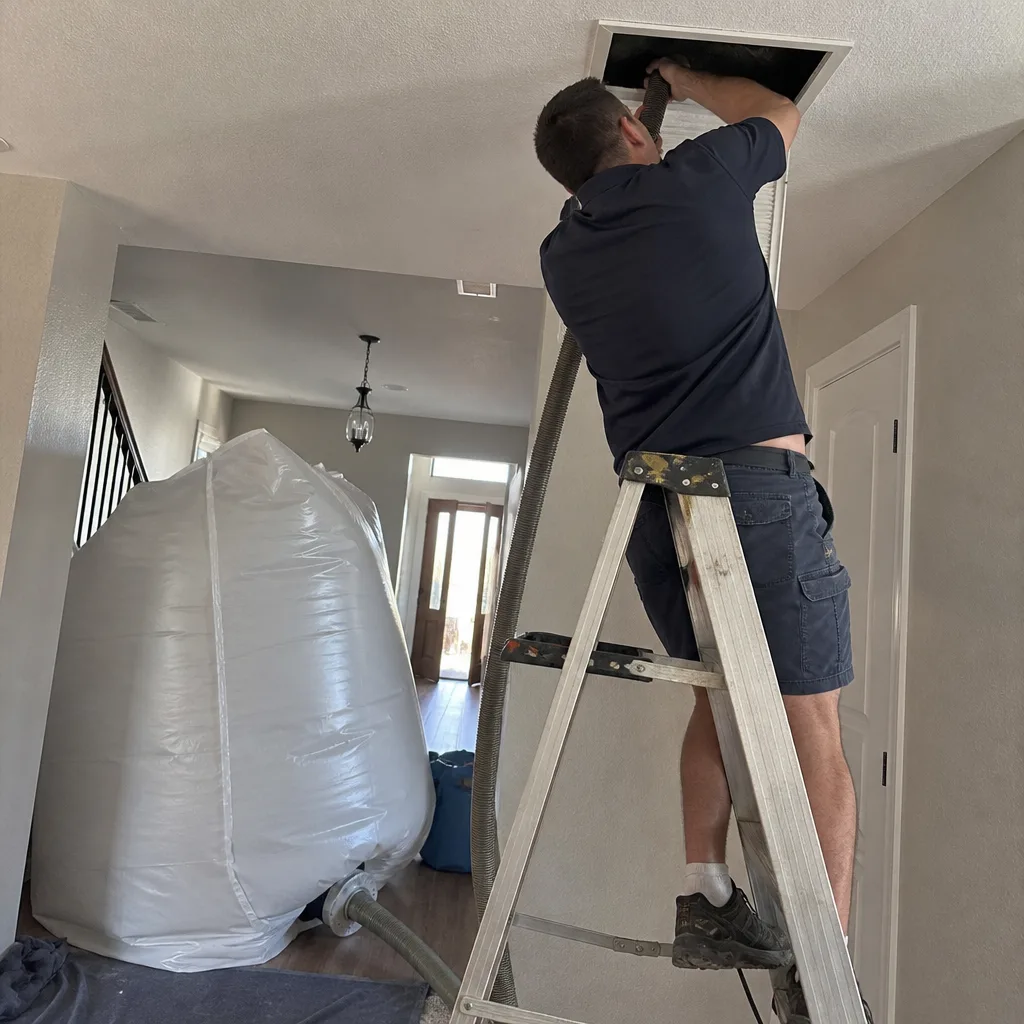
Last updated November 25, 2026
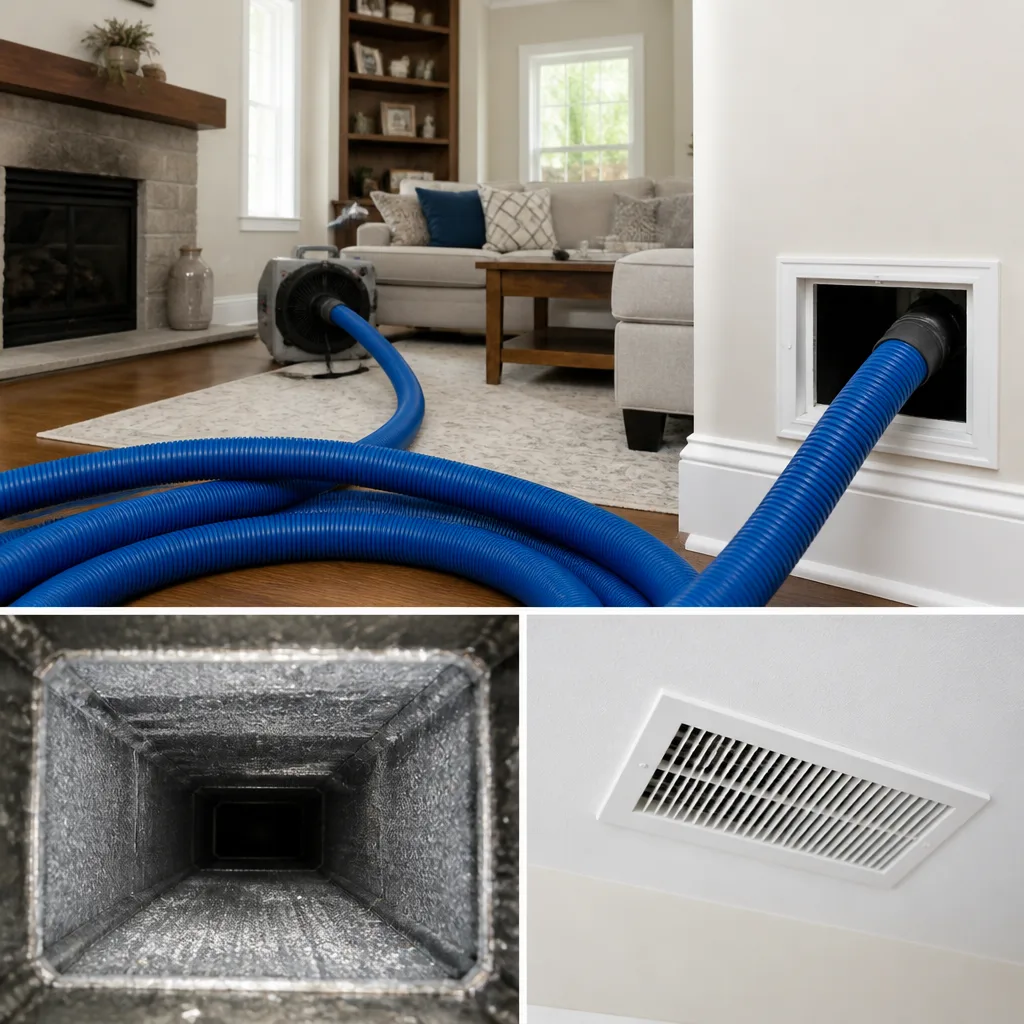 Whole-home duct cleaning
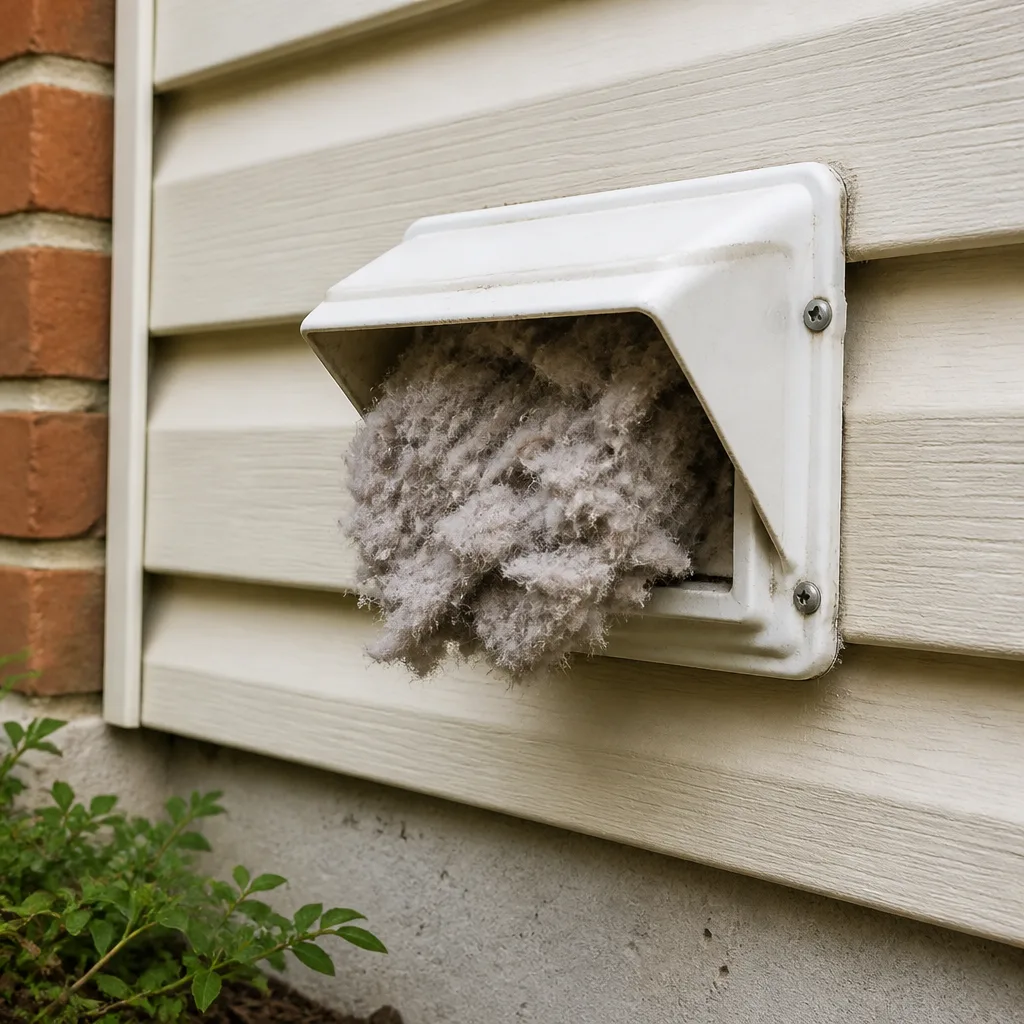 Dryer vent cleaning
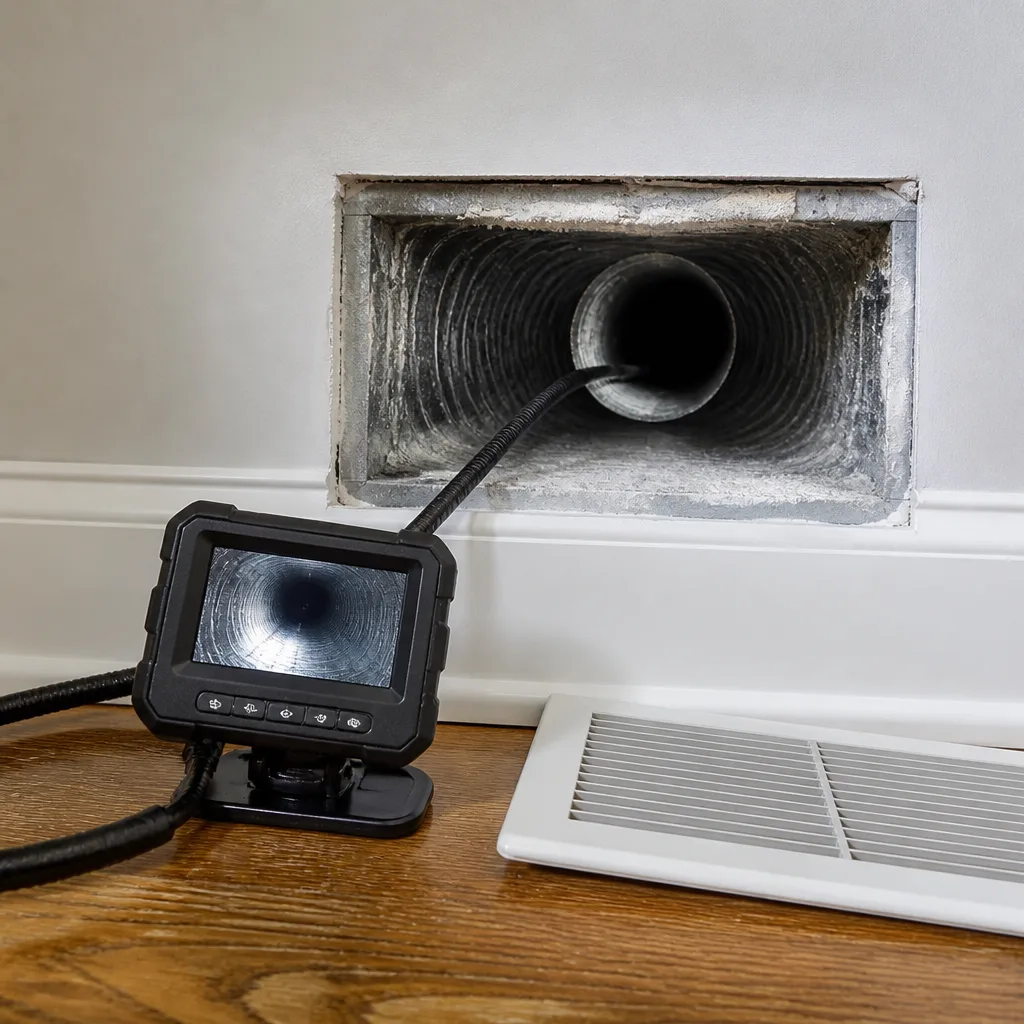 Camera inspection
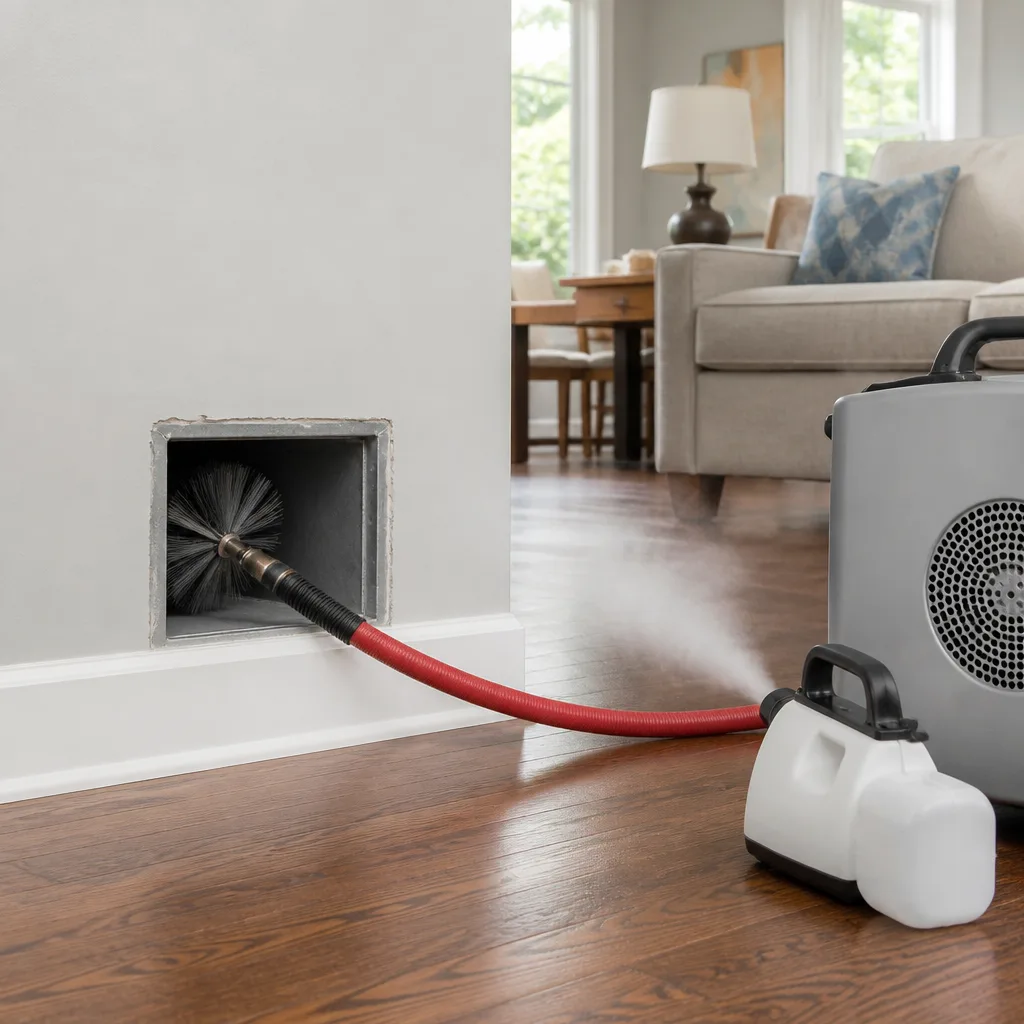 Sanitizing & deodorizing
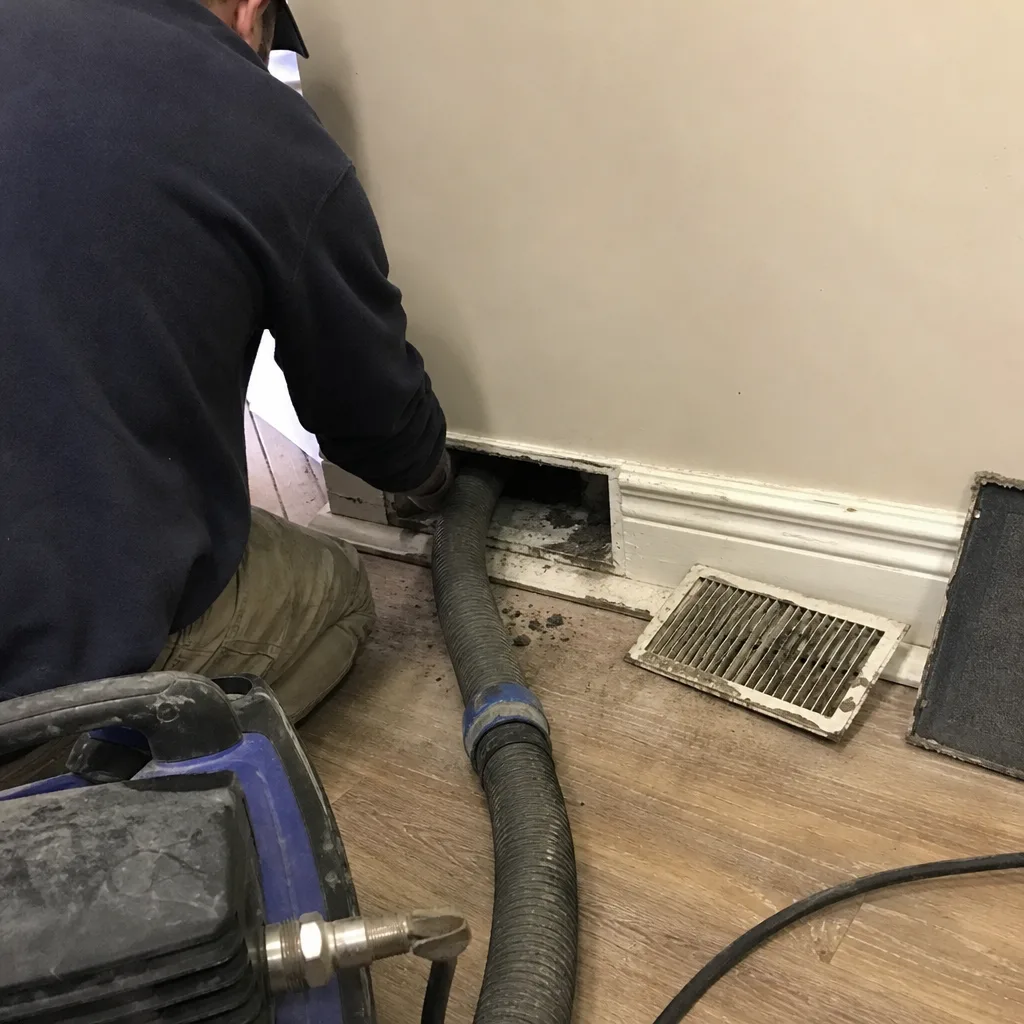
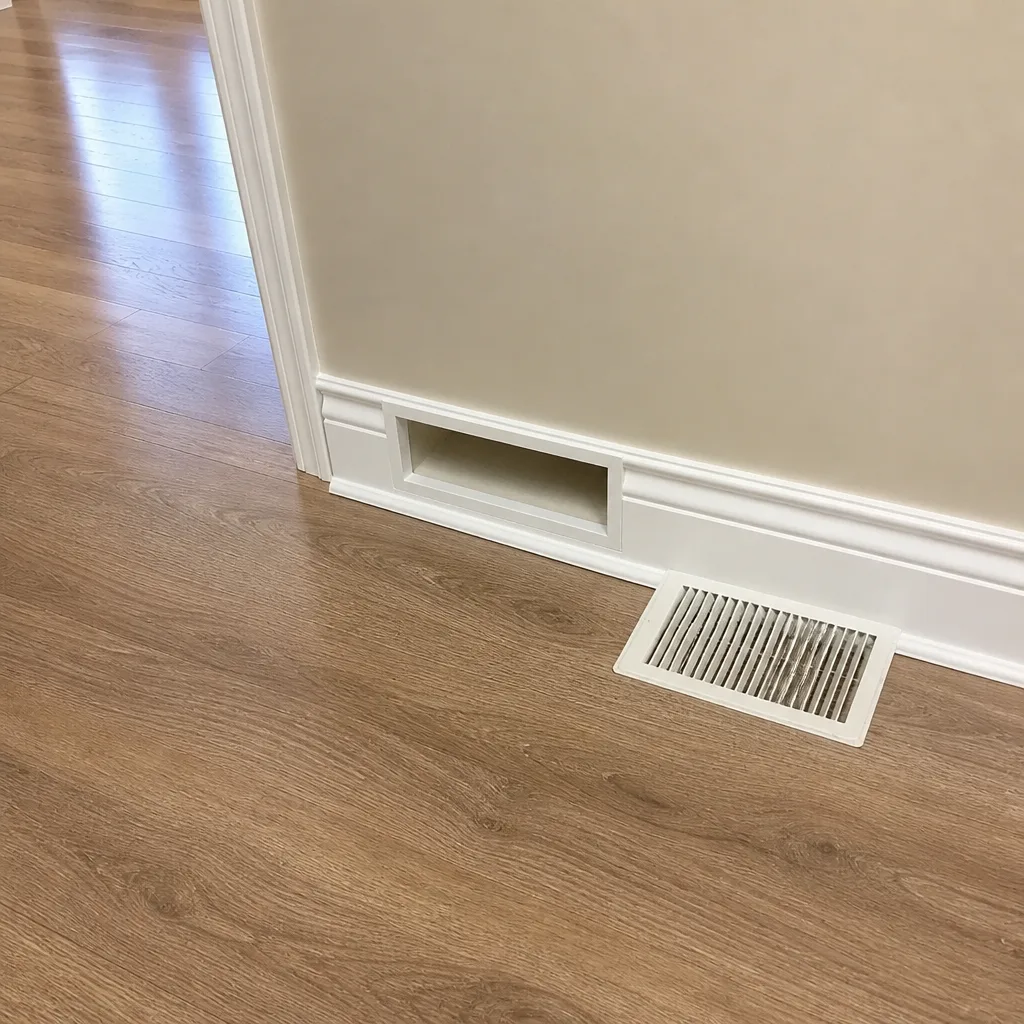
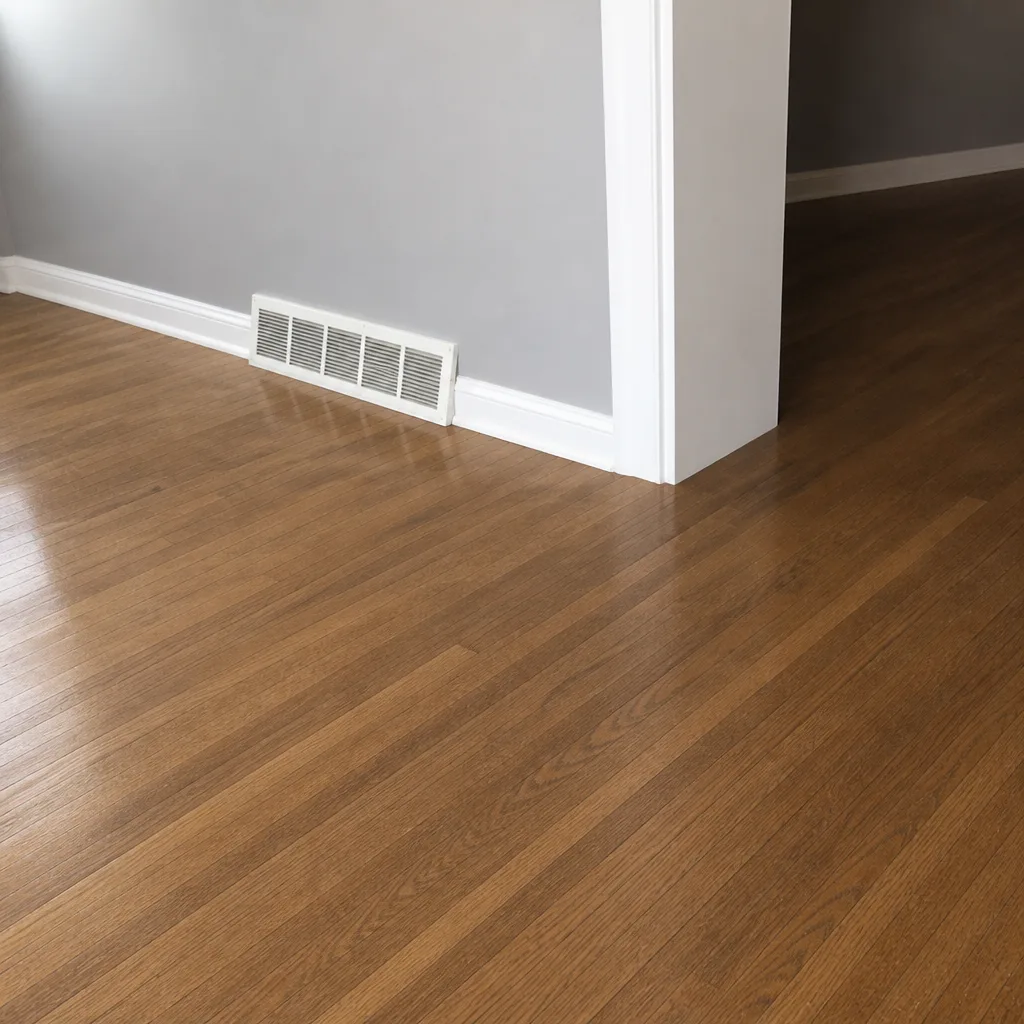
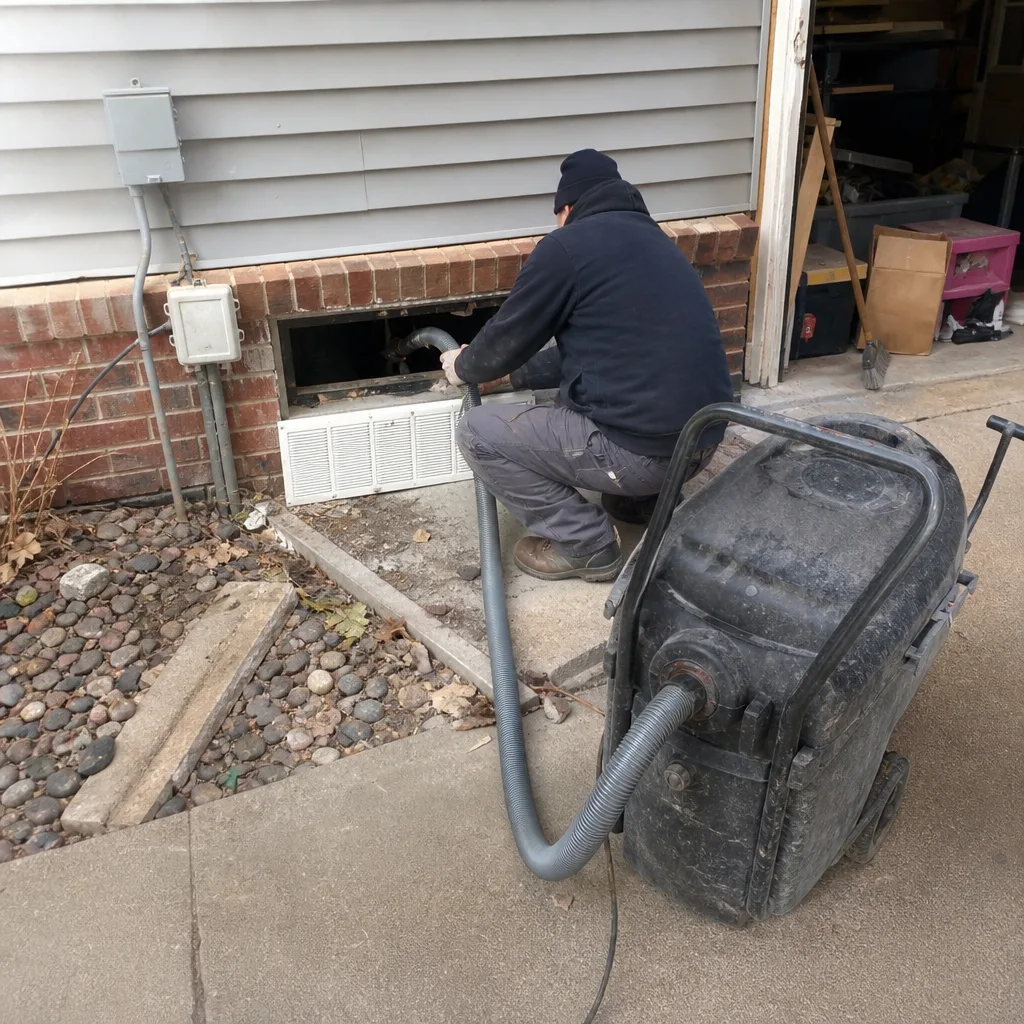
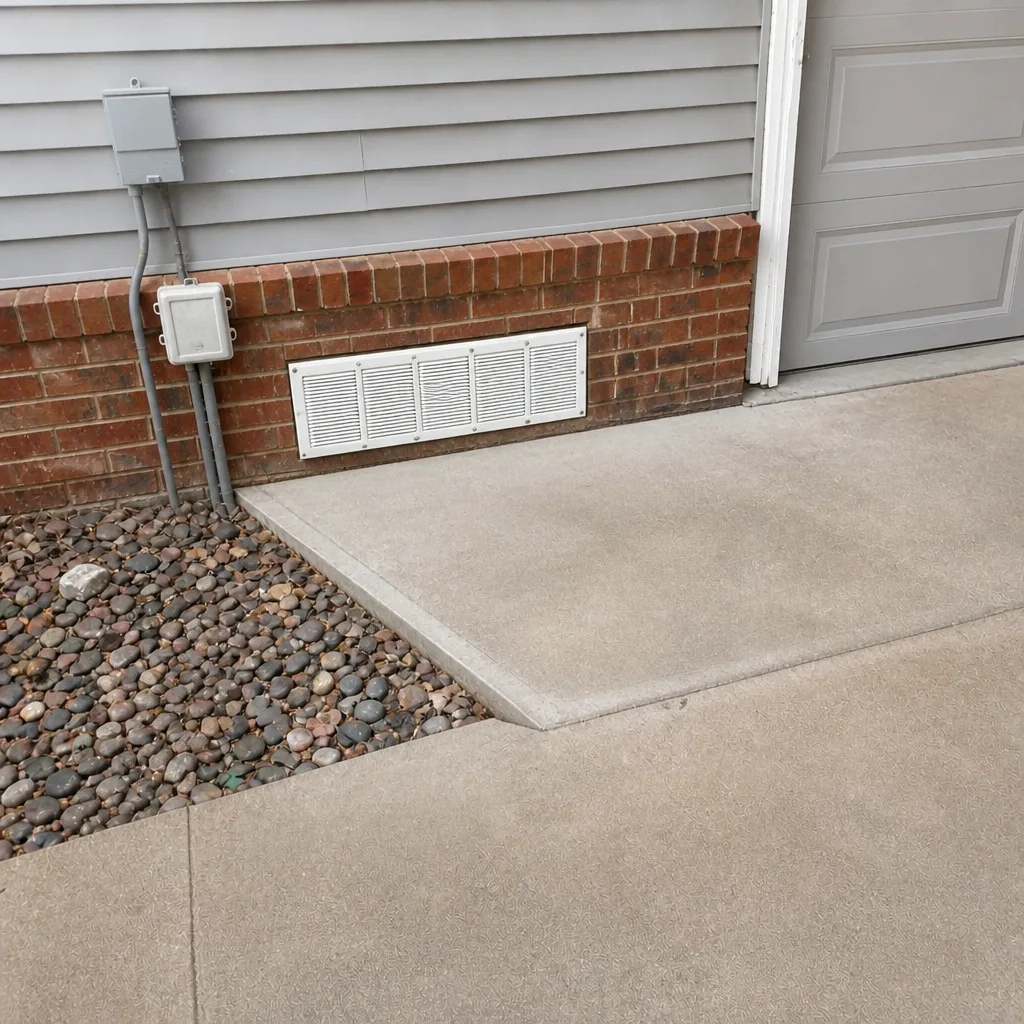
Whole-system duct and dryer vent check with before-and-after photos - you see exactly what came out of your vents
That "$99 whole-house special" is a bait ad - the real number appears once they are in your hallway, or the "clean" is a shop-vac at the register. We photograph the inside of your ducts before and after instead.
Seasonal Air Duct Cleaning Care for Green Valley Ranch: Year-Round Homeowner’s Guide
Most homeowners here schedule duct cleaning at the two worst possible moments. When the system quits moving air in a July heat wave, or when the furnace starts blowing warm dust in the first cold week of January, everyone calls at once. Technicians are booked out, the job gets rushed, and the system sits offline exactly when the house needs it most. Green Valley Ranch doesn’t run on four equal seasons of HVAC wear. It runs on two heavy-load periods with quiet windows on either side, and those windows are when ductwork should be inspected and cleaned. This guide walks through the whole calendar, month by month, so you can stop reacting and start planning.
Quick Answer
For most Green Valley Ranch homes, air duct cleaning is best scheduled in April and October. April catches winter dust and pollen before cooling season loads the system, and October clears summer dust and smoke residue before the furnace first fires. A full-system cleaning every two to three years, with filter changes on their own separate schedule, keeps the air pathway in good shape between visits. The service itself is a scheduled appointment, not an emergency call, and it’s worth booking before the season, not during it.
Styles & brands we work with
- Whole-home duct cleaning
- Dryer vent cleaning
- Camera inspection
- Sanitizing & deodorizing
Table of Contents
- Why the “Call When It Breaks” Habit Costs You
- How Green Valley Ranch’s Two-Season Climate Stresses Ductwork
- What Dry Winter Heating Does Inside Your Ducts
- Spring: Pollen, Fine Dust, and the April Window
- Summer Wildfire Smoke: When to Run, When to Shut the Intake
- Fall Pre-Heating Checklist for Green Valley Ranch
- Coordinating Duct Service With Filters and Air Handler Work
- Common Mistakes to Avoid
- When to Call a Professional
Why the “Call When It Breaks” Habit Costs You
There’s a habit most of us grew up with: the HVAC system gets attention when it fails. A weird smell, weak airflow, a furnace that won’t hold temperature. That instinct makes sense for a water heater or a refrigerator. But an air duct system is a service item, not a repair item. It works between cleanings the way a furnace filter works between changes, gradually loading with whatever’s in the air.
Here’s the part that’s easy to overlook. When you call during a heavy-load window, two things happen at once. The system has to be shut down for the cleaning, so the house runs without conditioned air during a moment when it actually needs it. And every other homeowner in Green Valley Ranch is calling the same week. That means longer waits, tighter appointment windows, and less room for the technician to slow down and look at what the cleaning turns up.
Call during a quiet window, and both problems disappear. The system can be offline for a couple of hours without anyone noticing. The technician has time to inspect the inside of the trunk lines, check for loose joints, and photograph the before-and-after state of the ducts. That last part matters. Before-and-after photos of your own ducts are the single easiest way to confirm the work actually happened, and quiet-season appointments leave more room for them.
So the calendar isn’t just about HVAC load. It’s about logistics, and about the quality of attention the job gets. Green Valley Ranch has two heavy-load periods and two transition windows, and the transition windows are where the value lives.
How Green Valley Ranch’s Two-Season Climate Stresses Ductwork
Green Valley Ranch sits at the eastern edge of the Denver metro, out on the plains. That location shapes the indoor environment more than most homeowners realize. The air here runs dry for most of the year, the summers get hot enough to push cooling equipment hard, and the winters bring the kind of dry cold that keeps a furnace running through the night. What this place doesn’t get is a long, mild spring and a long, mild fall. The transition windows are short. That’s exactly why they’re the right time to act, and why missing them costs you a whole season.
Think of the year in four phases:
- Winter heating load – furnace cycles constantly, dry air, high static charge inside ductwork.
- Spring transition – pollen and fine outdoor dust enter through return air, cooling season begins.
- Summer cooling load – air conditioner runs hard, wildfire smoke can enter through outdoor intakes.
- Fall transition – a short window to clean, inspect, and seal before the furnace fires up again.
Two of those phases are high-stress for the system and two are the natural inspection windows. The mistake is treating the two high-stress phases as the time to schedule work. They’re the time to be running the system, not shutting it down.
One more local factor deserves a mention. Green Valley Ranch has grown fast, which means a lot of newer construction sits alongside older homes. Newer builds sometimes have tighter ductwork; older builds often don’t. When we inspect a system, we look for exactly that difference. Loose joints and unsealed returns show up more in some parts of the neighborhood than others, and the fix is the same either way: air duct cleaning and repair that addresses the seal, not just the dust.
What we’re describing is the shape of a typical year in Green Valley Ranch, not any particular job. Your home will have its own pattern depending on ductwork age, how much the system runs, and where the returns are placed. But the seasonal shape holds.
What Dry Winter Heating Does Inside Your Ducts
Winter is the worst season for particulate buildup inside ductwork, and dry air is the reason. When relative humidity drops, moving air inside a metal duct generates more static charge. Charged dust particles stick to duct walls instead of staying suspended in the airstream. That means the regular furnace filter captures less of the fine material and the ducts themselves become the collection surface. A filter change doesn’t reach that material. Only mechanical cleaning does.
By February, a Green Valley Ranch home that ran its furnace through December and January can have a meaningful coating of fine dust on the inside of the trunk lines and the return plenum. You won’t see it. You’ll notice the smaller signals: dust settling faster on furniture, a slight mustiness when the heat kicks on, more frequent filter changes needed to keep airflow steady.
That buildup matters for a few reasons:
- Airflow restriction – dust on duct surfaces narrows the effective path for conditioned air.
- Blower strain – a restricted path makes the blower work harder to move the same volume.
- Re-entrainment – when the furnace cycles back on after sitting, some of that stuck dust lifts again and gets pushed into rooms.
- Odor – fine dust cycling past a heat exchanger can carry a faint burnt-dust smell on first fire of the season.
The practical takeaway: don’t expect a filter change in January to fix a buildup problem that started in November. Filters protect the equipment. They don’t clean the duct surfaces. If your ducts haven’t been cleaned since last winter’s heating season, that’s the buildup you’re living with through the current one.
One safety note worth stating plainly. Ductwork connects to the furnace, and furnace work that involves gas lines, burners, or the heat exchanger is not homeowner territory. If you smell gas, see scorching near the furnace, or hear a noise that isn’t normal blower sound, shut the system off and call a licensed HVAC professional before anything else. Our scope is the air pathway, not the combustion side.
Spring: Pollen, Fine Dust, and the April Window
Spring in Green Valley Ranch is short and it arrives with a lot of airborne material. The Front Range produces strong pollen loads from grass and tree species in a compressed window, and that pollen gets pulled into the return air whenever the system fan runs. Pollen particles are small enough to pass through standard filters and sticky enough to adhere to duct surfaces. Combined with the fine dust left over from winter heating, spring is when the duct interior sees its biggest annual load.
April is the target. By then, heating season is winding down, so shutting the system off for a couple of hours costs nothing. Cooling season hasn’t fully started, so cooling equipment isn’t yet working overtime. And pollen buildup is at its peak: catch it before the air conditioner starts pushing it through the house all summer.
A spring duct cleaning visit should include more than suction. Here’s what a proper full-system service looks like:
- Inspect the return and supply side, including the plenum and trunk branches.
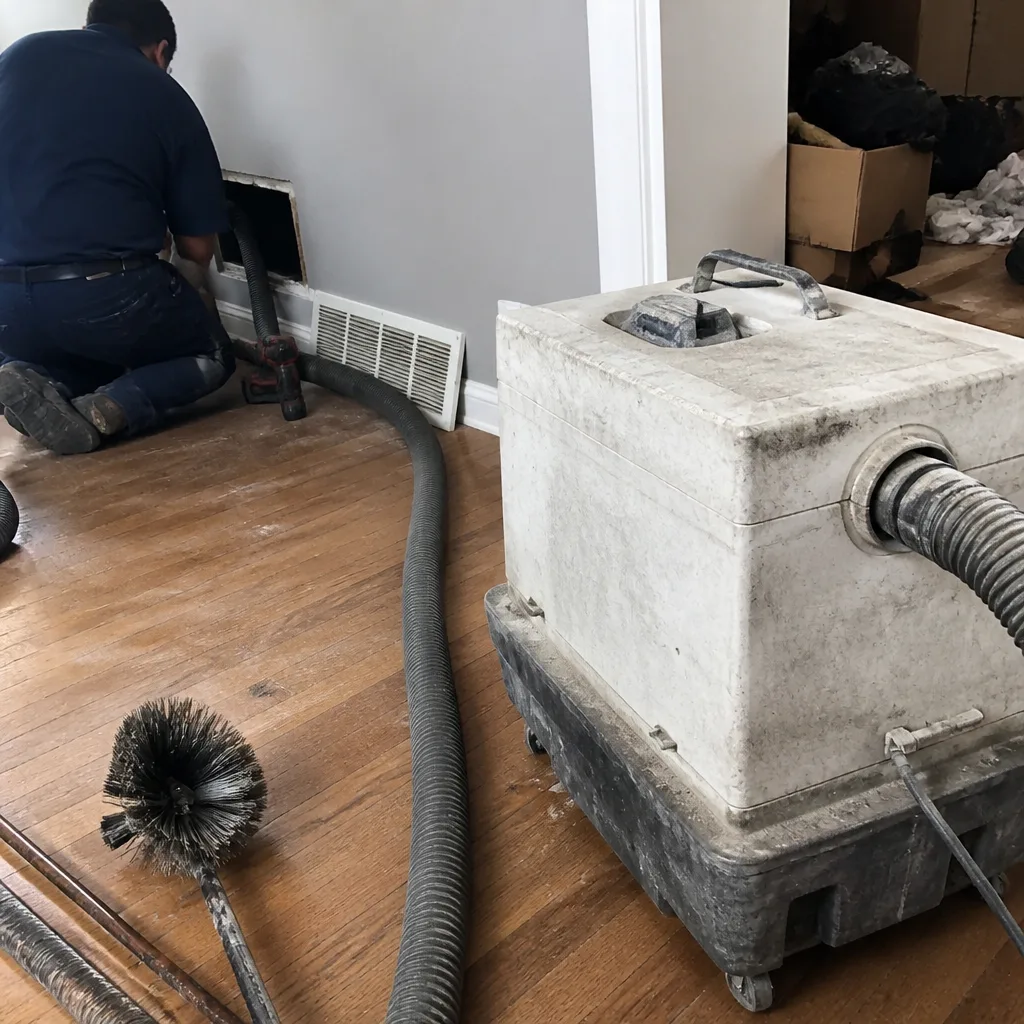
- Use professional-grade equipment (we work with Rotobrush and Nikro systems) to mechanically agitate and extract material from duct walls, not just vacuum the airstream.
- Check duct joints and sealing for gaps that let unfiltered air in.
- Photograph the before-and-after state of the ducts.
- Recommend sealing or repair where the inspection found loose joints.
That last step is the difference between a cleaning and a fix. Cleaning without sealing means the same pollen and dust will load the system again faster, because the return is pulling from wherever the leaks are. If the inspection finds gaps, air duct cleaning followed by sealing addresses the cause, not the symptom.
Spring is also a good time to check the outdoor air intake. When the system pulls fresh air in, it pulls pollen with it. Knowing where the intake is and how it’s filtered matters more in April than any other month.
Summer Wildfire Smoke: When to Run, When to Shut the Intake
Summer is when Green Valley Ranch sees its highest cooling load and its highest smoke risk. Wildfire smoke from regional fires can drift over the metro for days, and the fine particles in smoke are small enough to enter a home through an outdoor air intake, through open windows, and through any gap in the duct system. What happens next depends on how the system and the house are set up.
The general rule during a heavy smoke event: keep windows closed, run the system on recirculation rather than pulling fresh air, and change the filter more often than usual. Some systems have a controllable fresh-air intake; if yours does, closing it during a smoke event reduces the smoke load on the return. If you don’t know where the intake control is, that’s a good thing to have mapped before smoke season, not during it.
After a smoke event, the inspection matters more than the cleaning. Smoke leaves fine residue that can settle on duct surfaces and in the blower compartment. What to look at:
- Filter condition – if a filter loaded fast during a smoke event, it did its job; replace it.
- The blower compartment – residue there can cling to the wheel and unbalance it.
- Duct surfaces on the return side, which see the highest concentration of incoming air.
- Any odor from the supply registers when the system starts.
If the residue is present, a full-system cleaning is the right call. And in a smoke event, that’s a case where it’s worth working with a full-system provider rather than a duct-only cleaner, because the work spans the HVAC cleaning side of things too.
No one is going to shut a system down in the middle of a heat wave for a maintenance cleaning, and that’s the argument for doing it in April or October. The summer smoke response is inspection and filtration. The cleaning happens on either side of the season.
Fall Pre-Heating Checklist for Green Valley Ranch
October is the second quiet window, and arguably the more important one. Once the furnace fires up for the season, it runs through the winter, and any dust or debris that would’ve been cleanable in October becomes the stuff you breathe all season. A pre-heating check before that first cold night is worth more than a mid-winter visit.
Walk through this list before switching the thermostat to heat:
- Replace or clean the air filter. Don’t start heating season on last spring’s filter. It’s loaded with pollen and dust from cooling season.
- Inspect the supply registers. Pull a few and look at the visible duct behind them. Light dust is normal; a visible coating is a sign the ducts need cleaning.
- Check the return side. The return plenum is where the most material accumulates. A flashlight look inside can tell you whether the buildup is significant.
- Test the heat for a short cycle. Run the furnace for a few minutes on the first cool day and note any odor. A brief burnt-dust smell on first fire is normal; a strong or persistent smell is not.
- Look for loose joints and gaps. Duct tape that’s failed or joints that have separated let unfiltered air in. If you see gaps, that’s a sealing job, not a cleaning job.
- Confirm the dryer vent is clear. Fall is a good time to clear the dryer vent, because lint buildup raises fire risk throughout the heating season when the home is closed up more.
That last point is worth dwelling on. dryer vent cleaning is one of the highest-value, lowest-profile services in the HVAC family, and it’s the one most duct cleaners skip. A dryer vent with heavy lint buildup is a fire risk every time the dryer runs, and in a closed-up home in winter, that risk gets more attention, not less.
If the inspection in steps two through five turns up more than light dust, book the cleaning in October, before the furnace is running hard. That’s the whole reason to do it now.
Coordinating Duct Service With Filters and Air Handler Work
One of the practical problems we see in Green Valley Ranch is duplicated effort. A homeowner changes the filter, schedules a furnace tune-up, then schedules a duct cleaning, and three different visits touch the same system in a two-week span. Coordination isn’t hard, but it does need a plan.
Here’s how to sequence it so nothing gets done twice:
- Duct cleaning first, filter change last. Cleaning dislodges material that can settle into the new filter; putting the new filter in after cleaning avoids wasting it.
- Combine air handler and duct work where possible. The blower compartment gets accessed either way. Have the air handler serviced in the same window so the technician can see the whole system at once.
- Schedule sealing at the same visit as cleaning if sealing is needed. Cleaning without sealing means the same material re-enters; sealing during the same service avoids a second dismantling of the same connections.
- Sanitizing comes after cleaning and sealing. Sanitizing product applied to duct surfaces makes sense once the surfaces are clean and the envelope is sealed. That’s the order the Air Duct Cleaning Green Valley Ranch team follows on any system that needs both.
- Dryer vent work is separate but can often be done on the same day as an HVAC visit.
If your air handler or duct system has room for a filtration upgrade, Honeywell and Aprilaire make media filters and air handlers that fit a range of residential systems, and we work with both. That upgrade, done at the same visit as a cleaning and sealing, is what most homeowners mean when they ask about “long-term air quality” – a cleaner path with better filtration on it, not just a one-time clean.
Where duct material matters – and it matters more during renovation – Abatement Technologies equipment lets a professional set up negative-air containment and filtration during the work, so the rest of the house isn’t exposed while dust is being disturbed. That’s a real capability, not a marketing line. Most coupon crews don’t run it.
The point of all this sequencing is simple: a full-system visit that covers cleaning, sealing, air quality, and post-clean treatment in one coordinated appointment avoids the duplication, and it avoids the situation where each vendor blames the other for what’s still in the ducts.
Common Mistakes to Avoid
- Calling during peak season. Booking a July or January cleaning means longer waits and less inspection time. Book in April or October, when the calendar has room.
- Changing filters as a substitute for cleaning. A filter change doesn’t clean duct surfaces. If the ducts have a coating on them, the filter can’t reach it, and the buildup keeps feeding itself.
- Cleaning without inspecting for leaks. Cleaning alone, on a duct system with loose joints, just resets the clock on the same problem. Sealing is what stops the buildup from returning quickly.
- Ignoring the dryer vent. Lint buildup is a fire risk that runs every time the dryer runs. If the last visit only touched HVAC ducts, the dryer vent is still waiting.
- Running the system through a smoke event without touching fresh air intake. If your system pulls outside air, smoke season is a reason to know how the intake works, and to close it during a heavy event.
- Going by “seasons” instead of looking at the system. A typical schedule works for most homes, but if the ducts haven’t been cleaned recently, or a renovation just finished, the schedule should follow the condition, not the calendar.
- Hiring on a coupon price. A coupon price is not a whole-system price. A per-vent quote can balloon once the technician is on site. Ask for a flat per-system quote agreed before work starts.
When to Call a Professional
Some duct services are within reach of a careful homeowner; others aren’t. Filter changes, register inspections, and visual checks are fine. Air duct cleaning, sealing, dryer vent work, and anything that involves the air handler or blower compartment should go to a trained technician. That’s not just a preference. It’s because the equipment matters. Consumer-grade vacuums and shop-vacs move less air than the ducts hold, and they don’t agitate material off duct walls. Professional systems are built for the job.
Call a professional if you’ve never had the ducts cleaned and the system is more than a few years old; if a renovation just finished and dust has entered the returns; if you’ve noticed a persistent odor on first fire of the season; if the dryer vent hasn’t been cleared recently; or if you see loose joints and gaps that need sealing. Our technicians have up to 10 years of experience with full-system work, and we bring the same professional-grade equipment on every visit. Air Duct Cleaning Green Valley Ranch offers free estimates in Green Valley Ranch: call (833) 513-8603.
See the difference
 Before
 After
 Before
 After
 Before
 After
Frequently Asked Questions
April and October are the best months in Green Valley Ranch. Both fall in the transition windows between the heating and cooling seasons, so the system can be offline without affecting comfort, and both precede the season that puts the heaviest load on the system. Cleaning before that load, rather than in the middle of it, gives you a cleaner system going into the season and avoids the peak scheduling crunch. Call (833) 513-8603 for an exact quote – estimates are free.
Every two to three years for most Green Valley Ranch homes, but the right answer depends on what’s happened since the last cleaning. A renovation, a wildfire smoke event, a pet in the house, or a new filter that loaded faster than expected all shorten the interval. If you’ve never had the ducts cleaned, or it’s been more than three years, schedule the cleaning first and then set the interval based on what comes out. Call (833) 513-8603 to talk through your situation.
Most homes land in a mid-range estimate for a whole-system cleaning, with the final number depending on the number of runs, how accessible the ductwork is, and whether sealing or sanitizing is needed. The important thing is the structure: a proper provider gives one flat price per system, agreed before work starts. That avoids the per-vent quote that grows once the technician is on site. Call (833) 513-8603 for an exact quote – estimates are free.
Cheap quotes usually reflect one of three things: consumer-grade equipment that can’t agitate material off duct surfaces, a price per vent that changes once the technician counts the runs, or a cleaning that skips inspection and sealing. Comparing equipment and scope is a better use of time than comparing headline prices. Call (833) 513-8603 if you’d like the full list of what’s included before deciding.
Before-and-after photos of your own ducts. A provider should photograph the return and supply sides before and after cleaning, and be willing to email them to you. Combined with a flat per-system price agreed before work, photos are the two simplest protections against the bait-and-switch reputation the duct cleaning industry has earned. Call (833) 513-8603 to book a visit that includes photos.
Yes, and for a typical home, October is the practical answer. Summer smoke events call for inspection and filtration changes during the event, plus a check afterward to see whether residue has settled into the return side. Then a full cleaning in the quieter fall window before the furnace starts running hard. If the inspection after a smoke event shows visible residue, don’t wait for fall; call (833) 513-8603 and book the cleaning sooner.
The Bottom Line
Green Valley Ranch doesn’t run on four equal seasons. It runs on two high-load periods and two short transition windows, and the transition windows are when ductwork actually wants attention. April catches winter dust and spring pollen before cooling season. October catches summer residue and smoke before heating season, and gives you a chance to seal what the inspection finds. Filter changes stay on their own schedule, but duct cleaning runs on the calendar. Air duct cleaning is the start; sealed, sanitized ducts are the finish. Book the free estimate before the season, not during it. Call (833) 513-8603.
Written by the team at Air Duct Cleaning Green Valley Ranch.